

Water ingress in concrete structures is a common problem that can affect basements, retaining walls, floor slabs, lift pits, commercial buildings and other areas exposed to groundwater or prolonged rainfall.
One of the most vulnerable locations is the floor-to-wall joint. During extended periods of rain, the surrounding soil can become saturated and groundwater levels may rise. This increases hydrostatic pressure around the building and forces water toward any weak point in the structure.
Small cracks, construction joints, porous concrete, gaps and previously unnoticed defects can then become pathways for water to enter the building.
Although a minor damp patch may not appear serious at first, continuous water seepage can gradually damage concrete, wall finishes and surrounding building materials. The first step in solving the problem is therefore to identify where the water is entering and determine the actual cause of the leakage.
Causes of Water Seepage in Concrete Structures
Water seepage through concrete floors, walls and construction joints can develop for several reasons.
Poor or deteriorated waterproofing is one of the most common causes. If the waterproofing system was not installed correctly, has aged or has been damaged, water may eventually penetrate through the affected area.
Cracks in concrete can also allow water to pass through. Even very fine cracks can become significant leakage points when groundwater pressure increases.
Insufficient drainage around the building may worsen the problem. When rainwater is unable to drain away efficiently, water can collect around foundations, retaining walls and underground structures.
Over time, this additional water increases pressure against the concrete surface.
Floor-to-wall joints are particularly vulnerable because they are often formed as construction or cold joints. The floor slab and wall may be cast at different stages, creating a natural junction between two concrete sections.
If this area is not properly waterproofed, sealed or reinforced, water may penetrate through the joint when hydrostatic pressure develops.
How Hydrostatic Pressure Causes Water Ingress
Hydrostatic pressure refers to the force created by water pushing against a surface.
During heavy or prolonged rainfall, groundwater levels can rise and the surrounding soil may become saturated. This creates greater pressure against foundations, basement walls, retaining walls and floor slabs.
Water naturally searches for the easiest route through the structure. Cracks, pores, joints and gaps can therefore become channels for water penetration.
In some cases, the waterproofing system may still appear to be in good condition, but water can enter through the construction joint around the perimeter of the floor slab.
The pressure may force groundwater through the floor-to-wall junction, resulting in visible dampness, water stains or active leakage inside the building.
For this reason, treating only the visible wet area may not provide a lasting solution. The actual water pathway should first be identified before repair works are carried out.
Why Water Ingress Should Not Be Ignored
Water ingress can lead to more serious building problems if it is left untreated. Continuous moisture exposure can damage wall finishes, flooring, stored materials and other building components.
In reinforced concrete structures, prolonged water penetration may also contribute to corrosion of embedded steel reinforcement.
When steel reinforcement corrodes, it expands and places pressure on the surrounding concrete. Over time, this may contribute to cracking, delamination or spalling of the concrete surface.
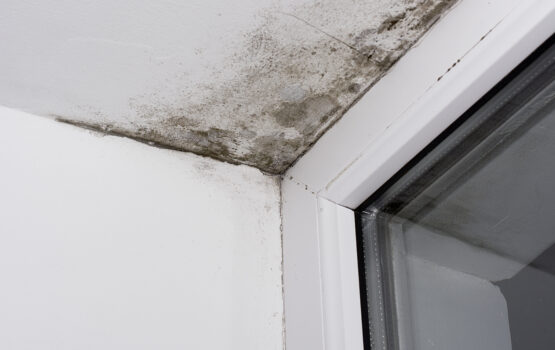
Persistent damp conditions may also encourage mould growth and create an unsuitable environment inside basements, warehouses, commercial properties and other enclosed spaces.
A small leakage point can therefore develop into a much larger repair problem if the source of water ingress is not addressed early.
How to Repair Water Ingress
Effective waterproofing repair begins with a proper inspection. The visible point where water appears is not always the same location where the water originally entered the structure. Water may travel through cracks, concrete pores, construction joints or concealed spaces before becoming visible indoors.
QingLong Waterproofing assesses the affected area to identify the likely source of leakage and determine the most suitable repair method.
For active leakage through concrete cracks or joints, PU injection may be used to seal the water pathway.
Polyurethane injection material is introduced into the crack, joint or affected area. It reacts within the void and expands to help block water from continuing to pass through.
Where the problem is related to construction joints, additional joint treatment or waterproofing may be required to reinforce the connection between the concrete wall and slab.
For accessible surfaces, a suitable waterproofing system may also be applied to provide additional protection against future water penetration.
The correct waterproofing solution depends on the condition of the concrete, location of the leakage, accessibility, water pressure and type of structure.
Common Areas Affected by Water Ingress
Water ingress is frequently found in basements, retaining walls, lift pits, underground structures, concrete slabs, commercial buildings, industrial facilities and car parks.
Leakage may also occur around balconies, roofs, construction joints, wall cracks and deteriorated concrete surfaces.
Different areas require different repair methods.
A leaking basement wall exposed to groundwater pressure, for example, requires a different waterproofing approach compared with a leaking roof exposed mainly to rainwater. Identifying the actual source of the problem is therefore essential before choosing a waterproofing system.
QingLong Waterproofing Solutions
With over 30 years of industry experience, QingLong provides waterproofing products, technical support and waterproofing solutions for residential, commercial, industrial and infrastructure projects.
Our waterproofing solutions can address problems such as water ingress, roof leakage, balcony leakage, wet lift pits, leaking construction joints, concrete cracks, deteriorated concrete and other seepage-related issues.
Depending on the site condition, the recommended solution may involve PU injection, crack sealing, joint treatment, concrete repair or the application of a suitable waterproofing system.
Rather than repeatedly treating only the visible leakage area, the objective is to identify and address the actual pathway that allows water to enter the building.
Stop Water Ingress Before It Becomes a Bigger Problem
If water begins appearing through concrete walls, floors or floor-to-wall joints after heavy rainfall, it may indicate increasing groundwater pressure, a failed construction joint, concrete cracking or another waterproofing defect.
Early inspection and repair can help prevent the problem from developing into more extensive concrete or structural damage.
QingLong Waterproofing provides waterproofing materials and professional solutions for water ingress, concrete leakage, basements, retaining walls, construction joints, roofs and other affected areas throughout Malaysia.


