

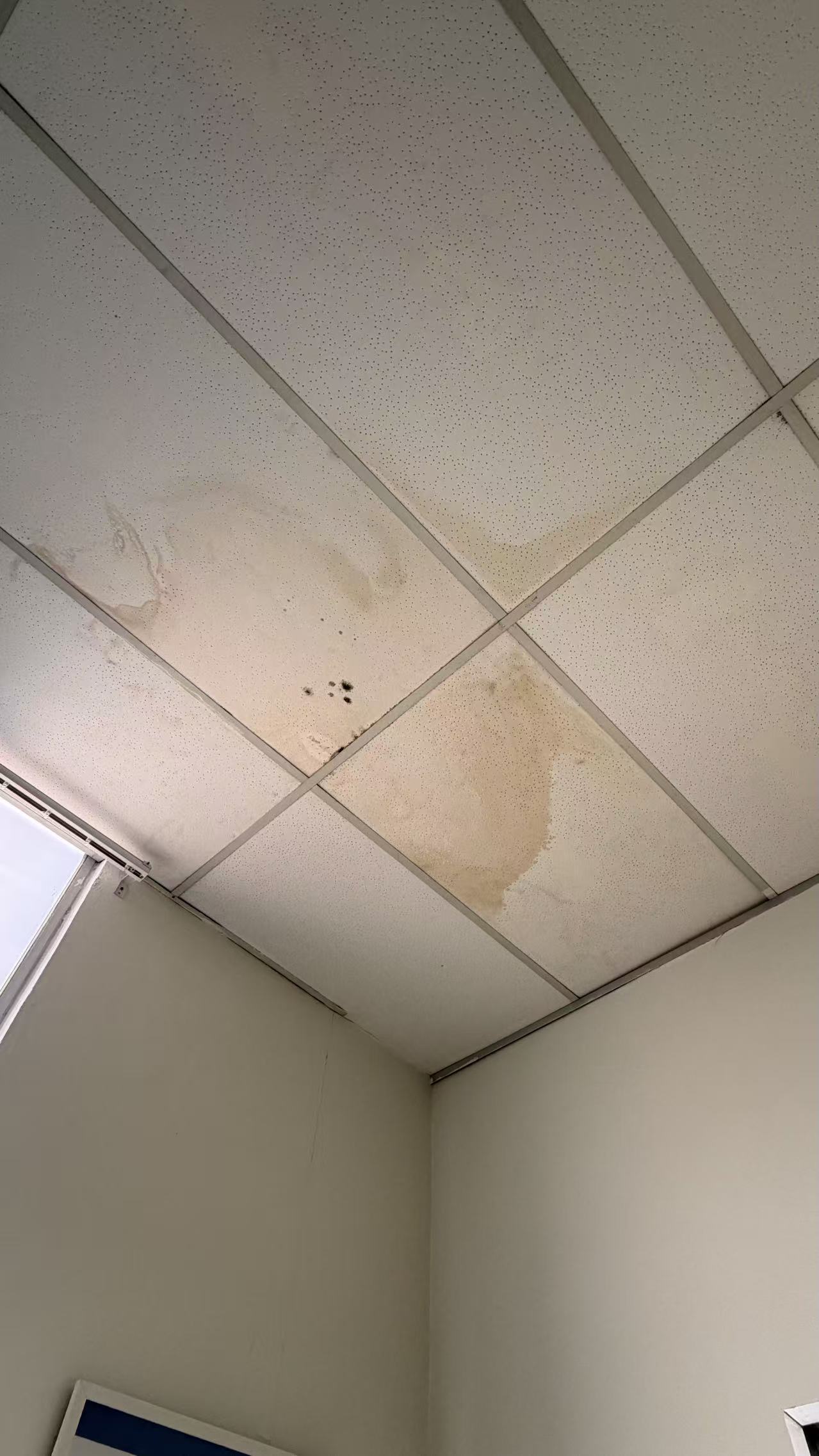
Water ingress refers to the unwanted penetration of water or moisture into a building through areas that should normally remain dry. It can occur through roofs, exterior walls, balconies, bathrooms, basements, windows, concrete cracks, joints and other vulnerable parts of a building.
In Malaysia, water ingress is a common building issue that should not be ignored. What may begin as a small damp patch or minor leak can gradually develop into peeling paint, mould growth, damaged finishes, concrete deterioration and more extensive waterproofing problems. Understanding the causes and early warning signs of water ingress can help property owners, building managers and contractors take action before the damage becomes more serious.
Why Is Water Ingress a Serious Problem
Water ingress does not always appear as an obvious leak. In many cases, moisture penetrates gradually through small cracks, construction joints, defective waterproofing or weak building interfaces. By the time visible damage appears, water may already have travelled through the wall, screed or concrete structure.
Prolonged water penetration can lead to damp walls and ceilings, peeling or bubbling paint, mould growth, efflorescence, damaged plaster and finishes, repeated leakage and higher maintenance costs. In reinforced concrete structures, continuous moisture exposure may also contribute to corrosion of the steel reinforcement.
As reinforcement begins to corrode, expansion can create pressure inside the concrete and may eventually cause cracking, delamination or concrete spalling. This is why water ingress should be treated as more than a cosmetic problem.
What Causes Water Ingress?
Water can enter a building through many different pathways, and the correct waterproofing solution depends on identifying the actual source of the problem. One of the most common causes is cracking in concrete, walls, roof slabs, balconies and wall-to-floor junctions. Even a relatively small crack can allow moisture to penetrate when the area is continuously exposed to rain or standing water.
Failed or inadequate waterproofing is another common cause. Waterproofing membranes are designed to protect the building structure from water penetration, but if the system is poorly installed, damaged, incorrectly detailed or deteriorated over time, water can enter through weak areas. Bathrooms, balconies, concrete roofs, flat roofs, exterior walls, basements and planter boxes are particularly vulnerable when waterproofing details around corners, joints, drainage outlets and penetrations are not properly completed.
Poor drainage can also increase the risk of water ingress. Water should be directed away from the building efficiently, but when floor falls are insufficient or drainage outlets become blocked, water can remain on roof or balcony surfaces for long periods. Ponding water places more stress on the waterproofing system and increases the likelihood of moisture entering through existing cracks or weak points.
Roof leakage is another frequent source of water ingress. Cracked concrete roof slabs, deteriorated waterproofing coatings, damaged metal roof joints, loose roofing components, failed sealants or blocked drainage systems can all allow rainwater to enter the building. Because water can travel underneath roofing materials or through the concrete slab, the visible ceiling stain may not be directly below the actual entry point.
External walls can also allow water into the building. Hairline cracks, porous wall surfaces, defective joints and failed sealants around windows can provide a path for rainwater. Internal damp patches, peeling paint, water stains around windows and repeated leakage during heavy rain are often signs that the exterior wall or window interface should be inspected.
It is also important to remember that not every water ingress problem is caused by rain. Leaking water pipes, bathroom plumbing, drainage pipes or concealed services can introduce moisture into walls, ceilings and floors. If leakage continues during dry weather, the plumbing system should also be investigated.
What Are the Common Signs of Water Ingress?
Water ingress can develop gradually, so the early warning signs are not always dramatic. Damp or discoloured patches on walls and ceilings are common indicators, especially when they become darker after rainfall. Peeling or bubbling paint, mould growth, musty smells, loose plaster and white powdery deposits on the surface can also suggest that moisture is entering the building.
Other signs may include cracks in concrete or walls, rust marks, loose tiles, swollen timber finishes or concrete spalling. Water dripping during or after rain is a more obvious sign, while repeated leakage after previous repairs can indicate that the original water entry point was never properly identified.
These symptoms should not be ignored, because the visible damage may only represent one part of a larger waterproofing problem.
How Do You Find the Source of Water Ingress?
Finding the true source of water ingress is not always straightforward because water can travel through screed, concrete, wall cavities and construction joints before becoming visible.
For example, a water stain on a ceiling may originate from a roof crack located several metres away. Leakage near an interior wall may actually come from an exterior wall joint, balcony drainage outlet or failed waterproofing detail.
A proper assessment should examine the overall condition of the affected area, including concrete cracks, waterproofing membranes, roof surfaces, balcony floors, drainage outlets, exterior walls, window and door joints, pipe penetrations and floor-to-wall junctions.
Where necessary, controlled water testing or further investigation may be used to help determine the actual water entry point. Identifying the source before starting repairs reduces the risk of repeatedly applying temporary solutions to the wrong area.
Water Ingress Solutions
The correct water ingress solution depends on the location, condition of the substrate and cause of the leakage. Waterproofing coatings may be suitable for certain roof, wall or concrete surfaces where a protective waterproof barrier is required. The product selected should match the application area and whether the surface will remain exposed or be covered by another finishing material.
Crack treatment is also important when visible cracks are allowing water to penetrate. Small cracks should be properly repaired or reinforced before the main waterproofing system is applied. Depending on the condition, suitable reinforcement fabric, waterproofing tape or other crack treatment materials may be incorporated into the waterproofing system.
For certain active leaks through concrete cracks or joints, polyurethane injection may be considered. PU injection can help control water passing through specific cracks or voids, but the suitability of this method depends on the type of leakage and site condition.
Waterproofing membranes are commonly used for roofs, balconies, bathrooms, basements and other wet areas. However, the performance of the system depends not only on the membrane itself but also on proper surface preparation, corner detailing, wall upturns, joint treatment, penetrations and drainage connections.
External wall water ingress may require crack repair, joint treatment or a suitable waterproofing coating depending on the wall condition. Where poor drainage is contributing to the problem, the drainage system and floor falls should also be corrected. Repairing only the waterproofing surface without solving the drainage issue may cause the leakage to return.
Why Surface Patching May Not Solve Water Ingress
Applying sealant or waterproofing material directly over the visible wet area may provide temporary improvement, but it may not solve the actual problem.
A ceiling stain, for example, may be caused by a roof crack located elsewhere, a balcony drainage outlet, a failed external wall joint or a pipe penetration. If only the visible stain area is repaired, the water entry path remains open and the leakage may return.
A more effective waterproofing approach is to first identify the source, repair the defect, apply the appropriate waterproofing system and then check the repaired area before completing the finishing work. This helps reduce repeated repairs and unnecessary maintenance costs.
How to Reduce the Risk of Water Ingress
Preventive maintenance is one of the best ways to reduce the risk of water ingress. Roof surfaces, balcony drainage, exterior wall cracks, window sealants, waterproofing coatings, floor outlets, concrete joints and pipe penetrations should be checked periodically.
Areas with a previous history of leakage should receive particular attention because small cracks, damaged sealants or drainage problems may develop again over time.
Early detection usually makes waterproofing repairs easier and can help prevent minor moisture problems from becoming more extensive building defects.
Need a Water Ingress Solution in Malaysia?
If you notice water stains, damp walls, roof leakage, balcony leakage, concrete cracks or recurring moisture problems, the first step should be to determine where the water is actually entering.
QingLong Waterproofing provides waterproofing materials, technical support and waterproofing solutions for residential, commercial and construction projects in Malaysia. With more than 30 years of waterproofing industry experience, QingLong offers solutions for concrete roofs, metal roofs, balconies, bathrooms, exterior walls, basements, concrete cracks, construction joints and other water leakage areas.
The most suitable repair method depends on the condition of the substrate, the type of water ingress and the actual source of the leakage.
If you are experiencing water ingress or recurring building leakage, contact QingLong Waterproofing Malaysia for waterproofing product recommendations, technical advice or waterproofing service enquiries.
Frequently Asked Questions (FAQs)
1. What does water ingress mean?
Water ingress means unwanted water or moisture entering a building through roofs, walls, floors, cracks, joints, windows, drainage areas or other openings where water should not normally enter.
2. What is the difference between water ingress and water leakage?
Water leakage generally refers to visible leaking or dripping water, while water ingress describes the broader process of unwanted water entering and moving through a building or structure.
3. Can water ingress damage concrete?
Yes. Long-term moisture penetration can contribute to reinforcement corrosion, cracking, concrete deterioration and spalling if the problem is not properly addressed.
4. Can waterproofing stop water ingress?
Yes, provided the correct waterproofing system is applied to the actual source of water entry. Waterproofing alone may not solve the problem if poor drainage, untreated cracks or defective construction interfaces are still present.
5. How do I know where water ingress is coming from?
The timing and location of the leakage can provide useful clues, but the visible wet area may not be the actual source. Roofs, external walls, balconies, drainage outlets, plumbing systems, cracks and building joints should all be inspected before deciding on the repair method.
6. What should I do if water ingress keeps coming back?
Repeated leakage usually indicates that the root cause has not been fully resolved. The affected area should be reassessed to identify the actual water pathway before another repair is carried out.


