

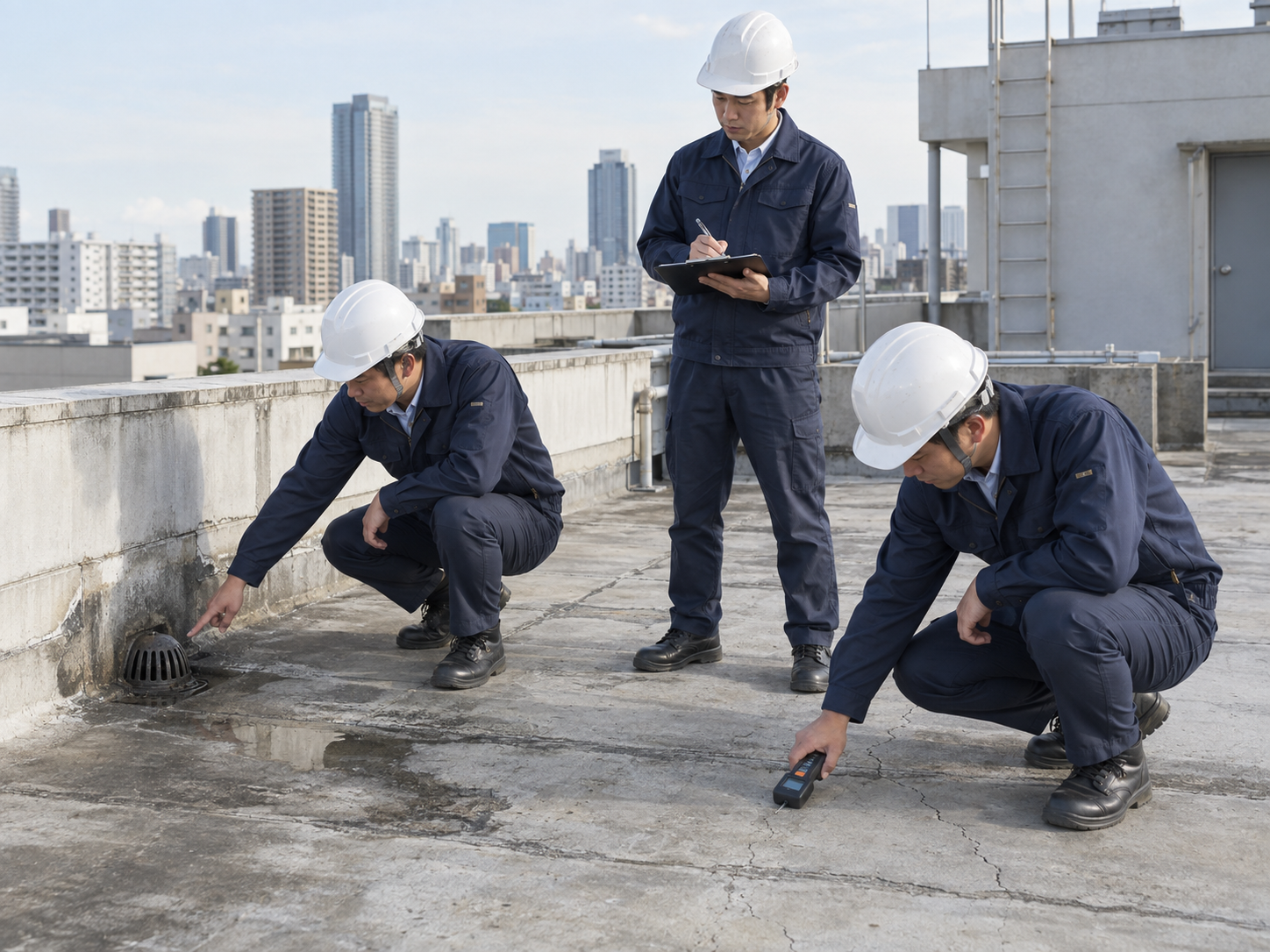
Waterproofing problems rarely appear overnight. In Malaysian homes, constant rain, strong sunlight, humidity and seasonal monsoon weather can gradually weaken waterproofing systems.
A small crack on a roof, worn sealant around a window or blocked drainage outlet may seem minor at first. But when rainwater repeatedly enters the structure, it can eventually lead to damp ceilings, peeling paint, mould and more expensive repairs.
For homeowners in Malaysia, an annual waterproofing inspection is a practical way to identify potential problems before they become major water leakage issues.
Why Annual Waterproofing Inspections Matter
How Waterproofing Systems Deteriorate Over Time
Waterproofing systems are continuously exposed to rain, UV radiation, temperature changes and moisture. In Malaysia, these conditions can occur throughout the year, gradually affecting waterproof coatings, membranes, joints and sealants.
A waterproofing system may still look acceptable from a distance while small cracks, weak joints or surface deterioration are already developing.
Why Early Inspection Matters
Finding a small defect early is generally easier than dealing with water damage that has already spread into ceilings, walls or concrete structures. The goal of an inspection is not simply to look for visible leaks. It is to identify potential water entry points before they become serious.
When Should Homeowners Conduct Waterproofing Inspections?
A general inspection at least once a year is recommended. For Malaysian homes, it is especially useful to check waterproofing before and after the monsoon or periods of heavy rainfall. A pre-rain inspection helps identify weak areas, while a post-rain inspection can reveal new water seepage or damage.
The Annual Waterproofing Inspection Checklist
Roof and Terrace Inspection
Check the roof or terrace for:
• Cracks and surface openings
• Water ponding after rainfall
• Damaged or deteriorated waterproof coating
• Membrane damage or exposed areas
• Blocked floor traps and rainwater outlets
• Deterioration around roof edges and parapets
For exposed roofs, also look for signs of weathering caused by long-term sun and rain exposure.
External Wall Inspection
Inspect external walls for:
• Hairline cracks
• Peeling or blistering paint
• Damp patches
• Efflorescence
• Water stains
• Cracks around openings and wall joints
Walls that receive direct rain exposure deserve particular attention.
Balcony and Parapet Wall Inspection
Balcony floors, parapet walls and junctions between horizontal and vertical surfaces are common areas where water can enter. Check for cracks, deteriorated sealant, damaged waterproofing and poor drainage.
Basement and Foundation Areas
For homes with basements or below-ground areas, check for:
• Damp walls
• Water stains
• Musty smells
• Visible seepage
• Moisture near floor-to-wall junctions
• Water entering through cracks or construction joints
Bathroom and Wet Area Inspection
Bathrooms should be checked for moisture around:
• Tile joints
• Grout lines
• Floor traps
• Pipe penetrations
• Shower areas
• Wall-floor junctions
• Sanitary fittings
A visible water leak is not always necessary for waterproofing problems to exist.
Kitchen and Utility Areas
Check under sinks, around plumbing connections and near washing machine or utility-area pipework for signs of slow leakage or moisture.
Water Tanks and Plumbing Areas
Inspect water tanks, exposed pipework and connections for cracks, leakage, corrosion or damaged seals.
What to Check on Roofs and Terraces
Cracks and Surface Damage
Hairline cracks should not automatically be ignored. Repeated movement and water exposure can cause existing cracks to become wider or allow moisture to enter the substrate.
Water Ponding and Drainage Issues
After heavy rain, check whether water remains standing on the roof or terrace. Persistent ponding may indicate drainage problems, insufficient falls or surface deterioration. Long-term standing water can place additional stress on waterproofing systems.
Damaged Waterproof Coatings or Membranes
Look for:
• Bubbling
• Peeling
• Cracking
• Worn surfaces
• Exposed membrane
• Localised deterioration
For exposed roofs, surface condition is particularly important because the waterproofing layer has to withstand Malaysia's sun and rain.
Blocked Rainwater Outlets
Leaves, dirt and debris can block outlets and slow down drainage. Keeping rainwater outlets clear is a simple but important part of roof maintenance.

Exterior Wall Waterproofing Inspection
Hairline Cracks and Surface Openings
Small cracks around walls, corners, joints and openings can become potential water entry points during heavy rain.
Peeling Paint and Damp Patches
Peeling paint, bubbling surfaces and recurring damp patches may indicate moisture entering through the wall rather than simply being a paint problem.
Signs of Efflorescence
White powdery deposits on concrete or masonry may indicate moisture movement through the material.
Water Penetration Around Windows and Doors
Check the perimeter of windows and doors for cracked or deteriorated sealant, especially on walls that receive direct rainfall.
Signs That Waterproofing May Be Failing
Homeowners should pay attention to these warning signs:
1. Damp Spots on Walls and Ceilings
A recurring damp patch can indicate water penetration from a roof, external wall, bathroom, balcony, plumbing area or another concealed source.
2. Mould and Fungal Growth
Persistent moisture can create conditions suitable for mould and fungal growth.
3. Paint Blistering and Peeling
Paint that repeatedly bubbles, flakes or peels may be affected by moisture beneath the surface.
4. Musty Odours
A persistent damp or musty smell can be an early indication of moisture even when no obvious leak is visible.
5. Recurring Water Seepage After Rain
If the same location becomes wet whenever it rains, the source of water entry should be investigated rather than simply repainting the affected area.
At QingLong Waterproofing Malaysia, the objective is to identify the actual source of water entry first, rather than treating only the visible stain or leakage point.
Areas Most Commonly Overlooked During Waterproofing Inspections
Pipe Penetrations and Utility Openings
Where pipes pass through walls, floors or slabs, gaps and deteriorated sealing can create potential leakage points.
Expansion Joints
Expansion and movement joints require proper detailing because buildings can experience movement over time.
Parapet and Roof Junctions
The junction between a roof slab and parapet wall is an important area to inspect, especially where waterproofing turns from horizontal to vertical surfaces.
Window and Door Perimeters
Sealant around frames can deteriorate because of weather exposure and age. These areas are often overlooked until rainwater begins entering the interior.
Seasonal Waterproofing Inspection Tips for Malaysia
Before the Monsoon
Before periods of heavy rainfall, check:
• Roof and terrace cracks
• Waterproof coating condition
• Drainage outlets
• Parapet junctions
• External wall cracks
• Window and door sealant
The aim is to identify weak areas before prolonged rainfall puts additional stress on the building.
After Heavy Rain or Monsoon
Check for:
• New ceiling stains
• Damp walls
• Water seepage
• Mould growth
• Ponding water
• New cracks
• Damaged waterproofing surfaces
A post-rain inspection can provide useful clues about where water may be entering.
During Hot and Sunny Periods
Strong UV exposure and repeated temperature changes can affect exposed waterproofing surfaces. Look for cracking, surface deterioration and worn coatings.
What to Do If Waterproofing Problems Are Found
Minor Repairs and Preventive Maintenance
Not every waterproofing problem requires complete re-waterproofing. Depending on the condition, a repair may involve addressing localised cracks, joints, drainage problems or damaged areas.
When Re-Waterproofing May Be Necessary
More extensive waterproofing work may be required when:
• Water leakage keeps recurring
• Large areas are deteriorated
• Existing waterproofing has failed
• Ponding is persistent
• Moisture has spread into the structure
• Previous repairs have not solved the underlying issue
The correct solution depends on the actual source and condition of the affected area.
Diagnose the Source Before Choosing the Solution
One common mistake is repairing the visible water stain without identifying where the water is entering. A ceiling stain may originate from a roof, terrace, external wall, bathroom, pipe penetration or another nearby area. Proper inspection should come before selecting the waterproofing method or product.
How Often Should Waterproofing Systems Be Reassessed?
Residential Buildings
For most homes, a basic waterproofing inspection once a year is a practical maintenance routine.
Older Homes
Older properties may require closer attention, particularly when existing waterproofing systems show signs of deterioration or repeated leakage.
Homes in High-Rainfall and Coastal Areas
Homes exposed to frequent heavy rain, strong sunlight, humidity or coastal conditions may benefit from more frequent checks.
Conclusion
Waterproofing is not simply about covering a leaking area with another layer of material. The key is understanding where the water is coming from, how it is entering and why the existing protection has failed.
QingLong Waterproofing Malaysia provides waterproofing inspection and repair solutions for residential and building applications, with the focus on identifying the leakage source before recommending the appropriate waterproofing method. When a leak keeps coming back, don't just repair the stain. Check the source first.
Frequently Asked Questions (FAQs)
1. How often should waterproofing be inspected?
Homeowners should carry out a basic inspection at least once a year. In Malaysia, checking before and after the monsoon or periods of heavy rainfall can provide better protection.
2. What are the first signs of waterproofing failure?
Common warning signs include damp patches, peeling paint, mould, musty odours, efflorescence and recurring water seepage after rain.
3. Can waterproofing fail even if there is no visible leak?
Yes. Moisture can travel through concrete, walls and other building elements before becoming visible inside the property.
4. Should waterproofing be inspected before the monsoon?
Yes. A pre-monsoon inspection can help identify cracks, drainage problems, deteriorated coatings and other potential weak points before heavy rainfall.
5. When should waterproofing be repaired or replaced?
Minor defects may only require localised repairs, while widespread deterioration or recurring leakage may require a more comprehensive waterproofing solution.
6. Can homeowners inspect waterproofing themselves?
Basic visual inspections can be carried out by homeowners. However, when leakage is recurring, the source is unclear or the affected area involves concealed water penetration, professional inspection is recommended.


