

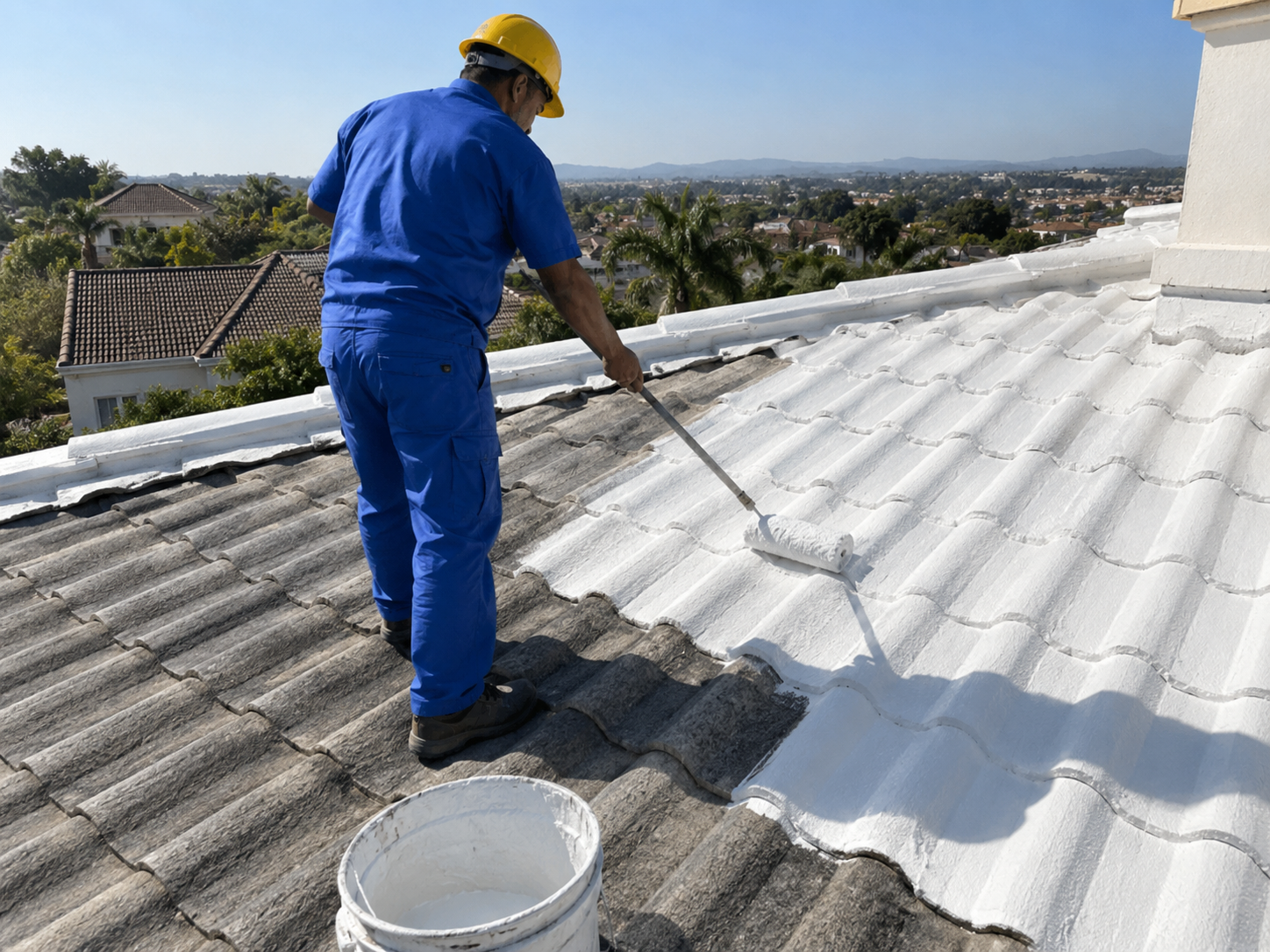
The quality of a waterproofing system depends on much more than the waterproofing material itself. Proper system selection, substrate preparation, installation workmanship, inspection and project coordination all play an important role in determining how well the waterproofing performs over time.
Different waterproofing systems are designed for different applications. A solution suitable for a roof may not be appropriate for a basement, retaining wall, toilet, balcony or underground structure. Choosing a system without considering the actual site condition can increase the risk of leakage, cracking, delamination or premature failure.
For this reason, waterproofing quality should be managed from the design stage through installation and final inspection.
With more than 30 years of industry experience, QingLong Waterproofing supports residential, commercial, industrial and infrastructure projects with waterproofing products, technical guidance and application solutions.
Here are five important ways to improve waterproofing quality.
1. Choose the Right Waterproofing System
Good waterproofing begins with selecting the correct system for the application.
Before choosing a waterproofing product, factors such as substrate condition, exposure to water, movement, UV exposure, hydrostatic pressure and expected service conditions should be considered.
For example, an exposed concrete roof requires a waterproofing system capable of resisting weather exposure and movement, while a basement or retaining wall may require a system designed to resist groundwater and hydrostatic pressure.
Wet areas such as toilets and bathrooms have different requirements again, especially around floor-to-wall junctions, pipe penetrations and drainage points.
Using the correct waterproofing system from the beginning can significantly reduce the risk of future leakage and unnecessary repair work.
2. Pay Attention to the Installation Process
Even a high-quality waterproofing product may fail if it is installed incorrectly.
Proper substrate preparation is one of the most important parts of waterproofing work. The surface should be clean, sound and free from loose materials, dust, oil or other contaminants that may affect adhesion.
Existing cracks, holes and defective joints should also be repaired before waterproofing begins.
Installers should follow the recommended application thickness, coverage, curing time and number of coats specified for the waterproofing system.
Particular attention should be given to vulnerable areas such as corners, construction joints, floor-to-wall junctions, drainage outlets, pipe penetrations and existing cracks.
Inspection should also be carried out before the waterproofing system is covered by tiles, screed, concrete, soil or other finishes. This provides an opportunity to identify and repair defects before they become concealed.
3. Use Reliable Waterproofing Materials
Waterproofing quality is closely related to the performance and consistency of the materials used.
Selecting reliable waterproofing products helps ensure that the completed system can provide the required adhesion, flexibility, water resistance and durability for the intended application.
It is also important to use compatible materials within the waterproofing system.
Mixing unsuitable primers, membranes, coatings, sealants or repair materials can affect bonding and overall performance.
QingLong Waterproofing provides a range of waterproofing products for areas including roofs, concrete slabs, external walls, toilets, basements, retaining walls and other building applications.
Correct product selection should always be based on the condition and requirements of the project rather than using one waterproofing product for every area.
4. Conduct Pre-Application Planning
Waterproofing should be coordinated before application begins.
A pre-application discussion between the contractor, applicator, project team and technical representative can help clarify the waterproofing sequence, application method, substrate requirements and areas requiring special treatment.
This is particularly important on larger commercial, industrial and infrastructure projects where waterproofing work may interact with structural works, mechanical and electrical installations, tiling, screeding or other trades.
Poor coordination may result in completed waterproofing being punctured, damaged or covered before inspection.
Planning the sequence properly helps reduce unnecessary rework and allows each trade to understand how its work may affect the waterproofing system.
5. Carry Out Inspection and Quality Control
Regular inspection helps identify defects before they become leakage problems.
During waterproofing works, the condition of the substrate, reinforcement treatment, membrane application, coating thickness, joint treatment and detailing around penetrations should be checked.
Photographs and site records can also be used to document important stages of the waterproofing installation.
Any defects identified during inspection should be corrected before the next construction layer is installed.
For suitable applications, water ponding or other testing methods may also be carried out before finishes are installed to help confirm the waterproofing performance.
A proper quality control process provides greater confidence that the waterproofing system has been installed according to its intended design.
Why Waterproofing Quality Matters
Waterproofing defects may remain hidden until heavy rainfall or prolonged exposure to water reveals the problem.
Once leakage begins, repair work can become more complicated because tiles, screed, ceilings, walls or other finishes may already cover the waterproofing system.
Water ingress may also contribute to damaged finishes, mould growth, concrete deterioration and corrosion of embedded steel reinforcement if it is left unresolved.
Investing in proper waterproofing design, materials, installation and inspection can therefore help reduce long-term maintenance costs and minimise disruption to the building.
Improve Waterproofing Quality with QingLong
Every waterproofing project has different requirements. The correct solution depends on the location, substrate, source of water, expected movement and environmental exposure.
With over 30 years of experience, QingLong Waterproofing provides waterproofing products, technical support and solutions for residential, commercial, industrial and infrastructure applications throughout Malaysia.
Whether you are planning a new waterproofing system, repairing an existing leakage problem or reviewing the waterproofing requirements for a project, QingLong can help recommend a suitable solution based on the actual site condition.


