

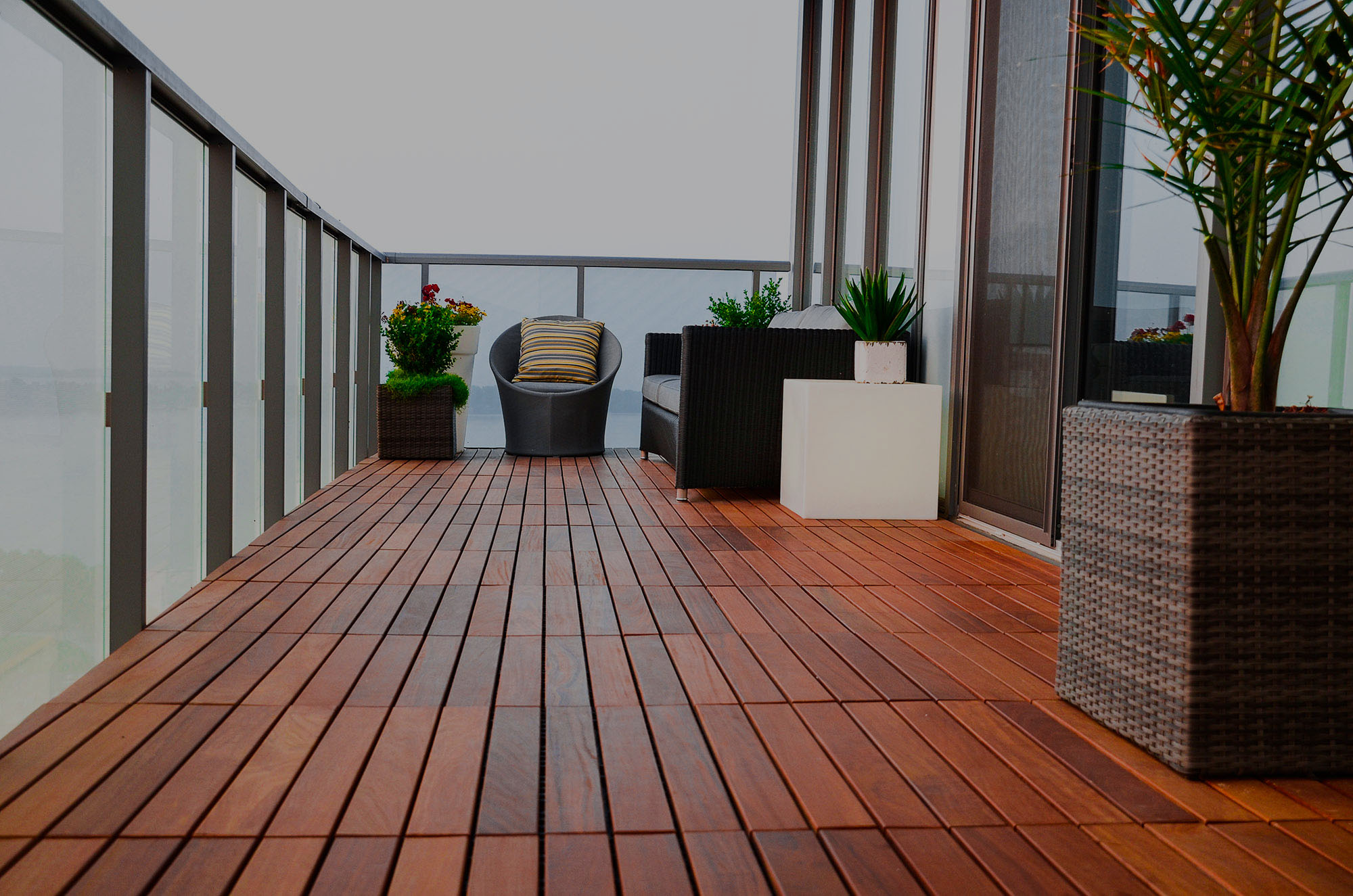
Balcony leakage is a common waterproofing problem in apartments and condominiums across Malaysia. You may notice water stains on the ceiling below the balcony, damp patches near sliding doors, peeling paint, mould, loose tiles, or repeated leakage whenever there is heavy rain.
One of the biggest problems is that balcony leakage is often repaired only at the surface.
Regrouting tiles, applying sealant around the sliding door, or patching one visible crack may reduce the leakage temporarily, but if the actual water entry point is not identified, the problem can return.
A proper balcony waterproofing repair should first determine where water is entering, how it is travelling, and which part of the waterproofing system has failed.
Why Do Apartment Balconies Leak?
A balcony is exposed directly to rain, sunlight, movement and regular foot traffic. At the same time, several important building components meet within a relatively small area, including:
• Waterproofing membrane
• Floor screed
• Tiles and grout
• Drainage outlets
• Sliding door thresholds
• Wall-to-floor joints
• Balustrade or railing fixings
• External wall and slab-edge connections
If any one of these areas is poorly designed, incorrectly installed or damaged over time, water may penetrate beneath the finished surface. Once water enters below the tiles, it can travel through the screed or concrete slab before appearing somewhere else. This is why the visible leak location is not always the actual source of the waterproofing failure.
6 Common Causes of Balcony Waterproofing Failure
1. Sliding Door Threshold Problems
The junction between the balcony floor and sliding door is one of the most vulnerable areas. If the balcony finished floor level is too high, or the threshold does not provide sufficient protection, rainwater can enter through the door area during heavy rain.
Common signs include:
• Water appearing near sliding doors
• Damaged timber or vinyl flooring inside the unit
• Damp carpet near balcony entrances
• Water entering mainly during heavy rain
Simply applying more silicone around the door track may not solve the problem if the balcony floor level or waterproofing detail is incorrect. The threshold and waterproofing termination need to be checked as one complete system.
2. Poor Floor Falls and Ponding Water
A balcony floor should direct water toward the drainage outlet. If the screed has insufficient fall, uneven areas or settlement, water may remain on the surface after rain.
Standing water increases the amount of time the waterproofing system is exposed to moisture and can eventually find weaknesses around joints, cracks or drainage points.
Signs include:
• Water remaining on the balcony after rain
• Damp areas that take a long time to dry
• Staining around tile joints
• Water collecting away from the floor outlet
Replacing the tiles alone will not solve this problem if the incorrect floor fall remains underneath.
3. Failed or Poorly Detailed Waterproofing Membrane
The waterproofing membrane is the main barrier protecting the concrete structure beneath the balcony finish.
Failures commonly occur around:
• Wall-to-floor corners
• Door thresholds
• Floor outlets
• Pipe penetrations
• Movement joints
• Balustrade fixings
• Membrane terminations
Cracks, ageing materials, poor substrate preparation or incorrect installation can allow water to enter underneath the tiles. In these situations, installing new tiles over the existing floor may only hide the problem rather than solve it.
4. Drainage Outlet Problems
Balcony floor outlets are another common leakage point. The waterproofing membrane must be properly integrated with the drainage outlet so water entering the floor system can discharge correctly.
Problems may occur when:
• The outlet becomes blocked
• The drainage level is too high
• The membrane is not properly connected to the outlet
• Water ponds around the outlet
• Cracks develop around the drainage area
If leakage becomes significantly worse during heavy rain, the drainage system should be one of the first areas inspected.
5. Tiles and Grout Are Not the Main Waterproofing Layer
One common misunderstanding is that balcony tiles and grout provide the waterproofing. They do not.
Tiles mainly provide the finished walking surface, while grout fills the joints between tiles. Water can still pass through small cracks, joints or porous areas and enter the screed below.
Therefore, repeatedly regrouting a balcony may not solve an underlying waterproofing membrane failure.
Signs of moisture beneath the tiles can include:
• White efflorescence
• Loose or hollow tiles
• Cracked grout
• Persistent dampness
• Water leakage continuing after regrouting
The condition of the waterproofing layer underneath should be properly assessed.
6. Balustrade, Wall and Slab Edge Interfaces
Balcony railing posts, façade connections and slab edges contain many waterproofing junctions. Where bolts, screws or posts penetrate through the waterproofing system, water can enter through very small gaps and travel into the concrete slab.
Common warning signs include:
• Cracks around railing bases
• Rust staining
• Damp slab edges
• Concrete deterioration
• Leakage appearing below the outer edge of the balcony
Applying sealant only around the visible surface may provide temporary protection, but concealed penetrations should also be checked.
How Can You Tell Where Your Balcony Leak Is Coming From?
Before starting repairs, check several simple conditions. Ask:
1. Does the leakage happen only during heavy rain?
2. Does water remain on the balcony after rain?
3. Is the leakage concentrated near the sliding door?
4. Does the leak appear around the slab edge or railing area?
5. Are there cracks around the wall-to-floor joint?
6. Are tiles hollow, loose or badly cracked?
7. Has the balcony already been repaired before but started leaking again?
If previous patching has already failed, another surface repair may not be the best solution. The actual water entry path should be identified first.
What Should a Proper Balcony Waterproofing Inspection Include?
A proper waterproofing assessment should examine the balcony as a complete system instead of checking only the visible crack.
Depending on the condition of the balcony, the inspection may include:
1. Visual inspection
Check tiles, grout, cracks, wall joints, sliding door thresholds, drainage outlets and railing penetrations.
2. Drainage assessment
Check whether water flows correctly toward the floor outlet and whether ponding occurs.
3. Waterproofing detail assessment
Review vulnerable areas such as corners, upturns, thresholds, penetrations and membrane terminations.
4. Moisture investigation
Identify whether moisture has already travelled underneath the tiles or into the concrete structure.
5. Controlled water testing
Where required, different balcony sections may be tested separately to help locate the actual leakage source.
Finding the source before repair helps reduce unnecessary hacking and avoids repeatedly spending money on temporary fixes.
Localised Balcony Repair or Full Waterproofing Replacement?
Not every leaking balcony needs to be completely rebuilt. The correct repair method depends on how extensive the waterproofing failure is.
1. Localised Repair
A localised repair may be suitable when the defect is clearly limited to one area, such as:
• Small cracks
• Isolated wall-to-floor joints
• Drainage outlet details
• Balustrade penetrations
• Specific waterproofing termination points
For small cracks or joints, the damaged area may be reinforced and waterproofed before the protective coating system is applied.
2. Full Waterproofing Repair
More extensive work may be necessary when there is:
• Widespread membrane failure
• Multiple leakage locations
• Poor balcony floor falls
• Extensive hollow or damaged tiles
• Water trapped beneath the screed
• Failed waterproofing around multiple interfaces
Depending on the condition, the existing tiles and screed may need to be removed before the substrate, drainage system and waterproofing membrane can be rebuilt properly.
What Should Be Included in a Proper Balcony Waterproofing Scope?
A clear repair scope helps building owners, property managers, contractors and management teams understand exactly what work is required.
A proper balcony waterproofing scope should consider:
Surface Preparation
Loose materials, contaminants, damaged screed and weak surfaces should be removed or repaired before waterproofing begins.
Crack and Joint Treatment
Cracks, corners, penetrations and movement-prone areas should receive appropriate reinforcement or detailing before the main waterproofing layer is installed.
Floor Falls
The substrate should direct water toward the drainage outlet without leaving significant ponding areas.
Drainage Outlet Detailing
The waterproofing system should properly connect with the outlet to reduce the risk of water entering around the drainage point.
Waterproofing Application
The selected waterproofing system should be suitable for the balcony condition, substrate and whether the final surface will remain exposed or be covered by tiles.
Door Threshold and Wall Upturns
Waterproofing should continue properly at wall junctions, sliding door areas and other critical termination points.
Protection and Finishing
After waterproofing is completed, the system should be protected before the final screed, tiles or finishing system is installed.
Inspection and Testing
Where suitable, waterproofing should be inspected and tested before it is covered.
This is an important step because defects are much easier to correct before tiles and finishes are installed.
Why Repeated Balcony Repairs Often Fail
If a balcony has already been repaired several times but still leaks, the problem may not be the waterproofing material itself. The real issue may be:
• Incorrect drainage
• Poor floor falls
• Inadequate threshold design
• Untreated cracks
• Weak substrate
• Incorrect membrane detailing
• Water entering through another building interface
Effective waterproofing is therefore not simply about applying another layer of coating. The repair must match the actual cause of the leakage.
Need Balcony Waterproofing in Johor Bahru?
If your apartment, condominium or commercial balcony is experiencing water leakage, QingLong Waterproofing can help assess the affected area and recommend a suitable waterproofing solution based on the actual site condition.
With more than 30 years of waterproofing industry experience, QingLong provides waterproofing materials, technical support and waterproofing solutions for residential, commercial and construction projects across Malaysia.
Whether the problem involves balcony cracks, drainage areas, waterproofing membrane failure or water penetration around wall and floor joints, the first step should always be identifying the source before deciding on the repair method.
Contact QingLong Waterproofing Malaysia for product recommendations, technical advice or waterproofing service enquiries.
Frequently Asked Questions (FAQs)
1. Can I waterproof a balcony without removing the tiles?
It depends on the condition and source of the leakage. Some localised surface problems may be repairable without removing all tiles. However, if the waterproofing membrane underneath has failed extensively, removing the existing finishes may be necessary.
2. Will regrouting stop balcony leakage?
Regrouting may help with damaged tile joints, but grout should not be treated as the primary waterproofing system. If water has already penetrated beneath the tiles, the underlying waterproofing condition should be checked.
3. Why does my balcony leak only during heavy rain?
Heavy rain can expose weaknesses around drainage outlets, sliding door thresholds, wall joints and areas where water ponds. Water testing and site inspection can help identify the actual entry point.
4. Why does water appear far away from the balcony crack?
Water can travel underneath tiles, through screed layers and along concrete interfaces before becoming visible. The location of the water stain may therefore be different from the original entry point.
5. How long should balcony waterproofing last?
Service life depends on the waterproofing system, installation quality, substrate condition, drainage design, exposure and maintenance. Correct preparation and detailing are just as important as choosing the waterproofing material.
6. What is the best way to repair a leaking balcony?
The best method depends on the cause. A small isolated defect may only require localised treatment, while widespread membrane failure, poor drainage or incorrect floor falls may require a more comprehensive waterproofing repair.


