

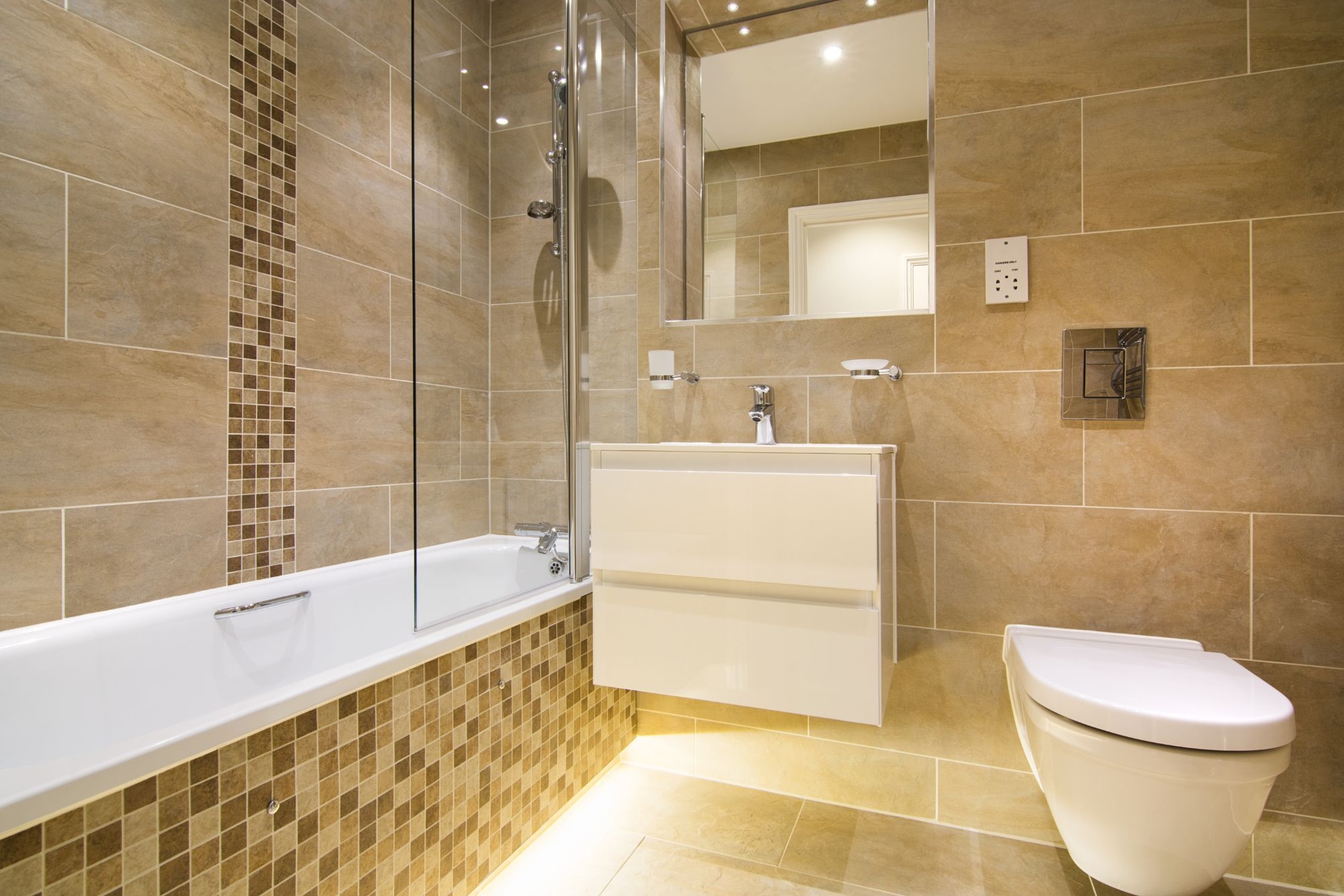
A leaking shower does not always mean the entire tiled surface needs to be removed. In some situations, shower waterproofing without removing tiles may be possible when water is entering through small cracks, deteriorated joints, gaps or porous areas on the existing tiled surface.
For this type of application, QL NO.3 Transparent Waterproof Coating can be considered as a surface waterproofing solution where the existing tiles remain in place.
However, this method is not suitable for every leaking shower. If the waterproofing membrane underneath the tiles has failed extensively, the tiles are loose, the substrate is damaged or there is a plumbing leak, more extensive repair work may still be necessary.
How Does Shower Waterproofing Without Removing Tiles Work?
The first step is to identify where the water is entering. Common leakage points may include tile joints, small surface cracks, wall-to-floor junctions, corners, areas around fittings, shower screen edges and deteriorated surface areas.
If the existing tiles remain firmly bonded and the leakage is mainly caused by surface water penetration, a transparent waterproofing treatment may provide a less disruptive alternative to removing all the tiles.
Inspect the Existing Shower Surface
Before applying any waterproofing product, the tiled area should be inspected carefully. The purpose of the inspection is to determine whether the leakage can be treated from the surface or whether the concealed waterproofing system has already failed.
Signs such as cracked joints, small gaps, deteriorated surface areas, loose tiles, dampness on adjoining walls or ceilings, and cracks around corners or fittings may help indicate where water is entering.
Surface waterproofing should not be used to cover up major structural problems, drainage defects or concealed plumbing leaks.
Prepare the Existing Tile Surface
Proper surface preparation is important for achieving good waterproofing performance.
The existing tile surface should be clean, dry and free from dust, oil, grease, soap residue and loose material before application. Any obvious cracks, gaps or damaged areas should also be treated before the waterproofing coating is applied.
Applying a waterproofing product over dirty or unstable surfaces may affect adhesion and reduce the overall performance of the coating.
Apply QL NO.3 Transparent Waterproof Coating
QL NO.3 Transparent Waterproof Coating is a colorless and transparent waterproofing solution suitable for selected existing surfaces. For tiled shower areas, its transparent finish allows the original appearance of the tiles to remain visible while providing an additional waterproofing layer over the treated surface.
This can be useful for homeowners or property managers who want to improve waterproof protection without completely changing the appearance of the existing bathroom.
Depending on the condition of the surface, the coating can help reduce water penetration through suitable surface areas and minor defects. Application should always follow the recommended preparation, coverage and curing requirements.
Pay Attention to Joints and Critical Areas
Even when a transparent waterproofing coating is used, critical details should not be ignored. Corners, tile joints, wall-to-floor junctions, areas around taps, shower fittings, shower screen edges and the surroundings of the floor waste may experience greater water exposure or movement than the surrounding tile surface.
If there are large cracks, open joints or severe deterioration, these defects should be repaired before QL NO.3 Transparent Waterproof Coating is applied.
Allow Proper Drying and Curing
After application, the waterproofing coating must be given sufficient time to dry and cure before the shower is exposed to water again.
Using the shower too early may affect the performance of the newly applied waterproofing layer. The recommended application and curing requirements should therefore be followed before the area returns to normal use.
What Is QL NO.3 Transparent Waterproof Coating?
QL NO.3 Transparent Waterproof Coating is a transparent and colorless waterproofing solution designed for suitable existing surfaces. One of its main advantages is that it can provide waterproof protection without covering the original appearance of the surface with an opaque coating.
For existing tiled bathroom applications, this may be useful where the tiles are still in good condition, the original tile appearance needs to be maintained and the leakage is suitable for surface waterproofing treatment.
The suitability of the product should still be determined based on the actual condition of the shower.
Can Every Leaking Shower Be Waterproofed Without Removing Tiles?
No. Transparent waterproofing is mainly suitable when the leakage problem is related to accessible surface conditions.
If the waterproofing membrane beneath the tiles has failed, the tiles are loose or debonded, the substrate is damaged, the floor drainage is defective, water is trapped beneath the tiles or the leak comes from concealed plumbing, surface waterproofing alone may not solve the problem.
In these situations, more extensive repair work or partial tile removal may be required to access and repair the actual source of leakage.
When Should You Consider Waterproofing Without Removing Tiles?
Waterproofing without tile removal may be worth considering when the existing tiles remain firmly bonded, the shower surface is generally in good condition and the leakage appears to be localised.
It may also be suitable where the main objective is to reduce surface water penetration while retaining the existing tile finish and avoiding unnecessary demolition. The condition of the bathroom should always be assessed before deciding on the repair method.
Benefits of QL NO.3 Transparent Waterproof Coating
For suitable applications, QL NO.3 Transparent Waterproof Coating provides a practical way to add waterproof protection while maintaining the original appearance of the tiled surface.
Its transparent and colorless finish makes it suitable for applications where an opaque coating is not preferred. It can also help reduce unnecessary demolition in cases where the leakage can be treated effectively from the existing surface.
The product should still be used as part of a proper repair approach rather than as a general solution for every type of shower leak.
Conclusion
A leaking shower does not always require immediate tile demolition. For suitable existing tiled surfaces, QL NO.3 Transparent Waterproof Coating provides a transparent waterproofing option that helps maintain the original appearance while adding an additional layer of protection against water penetration.
The most important step is to determine whether the leakage is a surface problem or a deeper waterproofing failure before choosing the repair method. Contact QingLong Waterproofing for product recommendations and technical advice on QL NO.3 Transparent Waterproof Coating.
Frequently Asked Questions (FAQs)
1. Can I waterproof a shower without removing the tiles?
Yes, in certain situations. If the tiles are still firmly bonded and the leakage is mainly caused by surface water penetration, a transparent waterproofing treatment may be considered.
2. Which QingLong product can be used without covering the existing tiles?
QL NO.3 Transparent Waterproof Coating provides a transparent and colorless finish, allowing the existing tile appearance to remain visible after application.
3. Can QL NO.3 Transparent Waterproof Coating be applied over existing tiles?
It may be used on suitable prepared surfaces depending on the existing condition and application requirements. Proper surface cleaning and preparation are important before application.
4. Will transparent waterproof coating fix every shower leak?
No. It cannot repair concealed plumbing leaks, serious substrate damage, major waterproofing membrane failure or severe structural cracking. The actual cause of leakage should be identified before deciding on the repair method.
5. Do I need to remove the tiles if my shower is leaking?
Not always. If the tiles remain in good condition and the leakage can be treated effectively from the surface, waterproofing without complete tile removal may be possible.


