

Repairing a water leak should solve the problem, yet many buildings continue to experience the same issue months later. This often happens because the repair focuses on stopping visible leakage instead of eliminating the underlying cause.
In Malaysia, buildings are constantly exposed to heavy rainfall, intense UV radiation, high humidity, and frequent temperature changes. These environmental conditions place continuous stress on waterproofing systems. If the wrong repair method is chosen, leaks can easily return.
Here are eight common mistakes that reduce the effectiveness of waterproofing repairs and how they can be avoided.
1. Treating the Symptoms Instead of the Water Entry Point
One of the biggest mistakes is repairing only what can be seen. A stained ceiling, peeling paint, or cracked wall may simply be where the water becomes visible. The actual entry point could be located several metres away on the roof, balcony, external wall, or another structural joint.
Without identifying where the water is entering, cosmetic repairs rarely provide a permanent solution.
2. Assuming Every Leak Comes from the Closest Crack
Water does not always travel in a straight line. It can move through concrete, reinforcement gaps, construction joints, or wall cavities before finally appearing indoors. Because of this, the visible leak is often not the actual source.
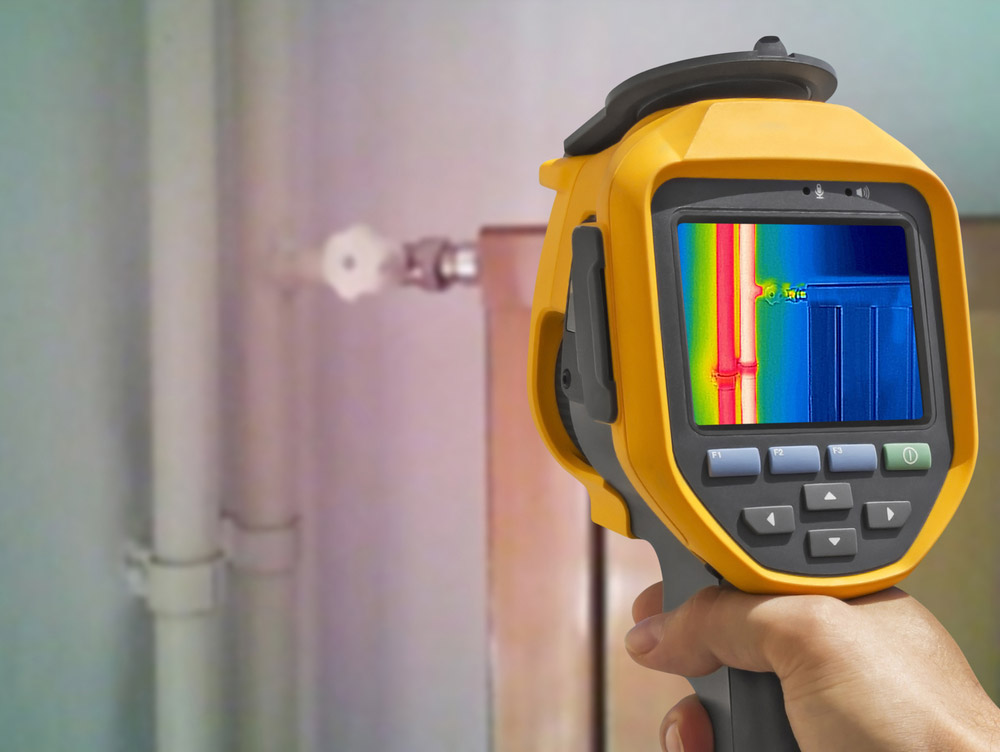
Professional leak investigations typically include moisture detection, visual inspection, and systematic tracing of water pathways before recommending any repair work.
3. Choosing Waterproofing Materials That Are Unsuitable for the Area
Every section of a building experiences different conditions. A flat concrete roof exposed to standing water requires a different waterproofing system from a metal roof that expands under heat. Likewise, balconies, bathrooms, retaining walls, and basements all have different waterproofing requirements.
Selecting products based solely on price instead of suitability often results in premature failure.
4. Ignoring Structural Movement
Buildings naturally move. Daily temperature changes cause roofs and concrete slabs to expand during the day and contract at night. Wind loads and minor settlement also create movement throughout the structure.
If the waterproofing membrane cannot accommodate these movements, cracks, splits, or separation may develop over time, allowing water to penetrate again.
Flexible waterproofing systems are generally more suitable for areas exposed to continuous movement.
5. Overlooking Drainage Problems
Even a high-quality waterproofing system can fail if water is allowed to accumulate. Blocked gutters, clogged outlets, insufficient roof slopes, and poor drainage increase the amount of water sitting on the waterproofed surface. Standing water places continuous pressure on joints, seams, and membranes, increasing the likelihood of leakage.
Good drainage design works together with waterproofing to protect the building over the long term.
6. Applying Waterproofing Over Poorly Prepared Surfaces
Successful waterproofing depends heavily on surface preparation. Concrete should be structurally sound, clean, and free from dust, oil, loose particles, or excessive moisture before waterproofing materials are applied.
When membranes or coatings are installed over contaminated or damp surfaces, adhesion can be significantly reduced, leading to blistering, peeling, or water migration beneath the waterproofing layer.
7. Depending on Quick Fixes
Sealants, waterproofing paint, silicone, and patch repairs may temporarily reduce visible leakage, but they often fail to restore the waterproofing system as a whole.
While these solutions may appear economical initially, repeated repairs usually become more expensive than carrying out a proper waterproofing system replacement or rehabilitation from the beginning.
Long-term performance depends on repairing the complete waterproofing assembly rather than isolated sections.
8. Poor Installation Quality
Even premium waterproofing materials cannot compensate for poor workmanship.
Every waterproofing system has installation requirements relating to application thickness, curing time, overlaps, reinforcement, and environmental conditions. Skipping these steps can significantly shorten the lifespan of the waterproofing system.
Proper installation by trained professionals remains one of the most important factors influencing waterproofing performance.
Conclusion
Recurring leaks are rarely caused by waterproofing materials alone. More often, they result from incorrect diagnosis, unsuitable waterproofing systems, inadequate preparation, poor drainage, or installation errors.
Understanding these common waterproofing mistakes allows homeowners, commercial property managers, and industrial facility owners to make better repair decisions and invest in solutions that provide lasting protection against Malaysia's challenging climate.
Frequently Asked Questions (FAQs)
1. Why does my roof continue leaking after it has already been repaired?
This usually happens when the repair only addresses the visible damage instead of the actual water entry point. Water may still be entering through another section of the building and eventually reappear.
2. Can waterproof paint permanently stop a water leak?
No. Waterproof paint may improve appearance, but it cannot stop active water intrusion if the underlying leak has not been repaired.
3. How can I know which waterproofing system is suitable?
The correct solution depends on factors such as the substrate, exposure to sunlight, drainage conditions, expected structural movement, and the location being waterproofed. A professional assessment helps determine the most appropriate system.
4. Why is professional leak detection important?
Because water often travels through hidden pathways before becoming visible. Identifying the true source first helps prevent unnecessary repairs and reduces the chance of recurring leaks.
5. Is waterproofing maintenance necessary after installation?
Yes. Regular inspections, cleaning drainage systems, and repairing minor defects early can help extend the service life of a waterproofing system and reduce major repair costs.


