

A leaking roof, damp wall, or bathroom seepage may seem like a minor inconvenience today, but in Muar's tropical climate, small waterproofing defects rarely remain small for long. Frequent heavy rainfall, consistently high humidity, and strong UV exposure place continuous stress on roofs, walls, balconies, and concrete structures. Over time, these conditions can turn minor cracks or failed sealants into persistent leaks, mould growth, peeling paint, concrete deterioration, and expensive structural repairs.
One of the biggest challenges with waterproofing leaks is that the visible water stain is often not the actual entry point. Rainwater can travel through roof structures, concrete slabs, wall cavities, and expansion joints before finally appearing inside the building. Without identifying the true source of water ingress, repairs often become temporary fixes that fail after the next period of heavy rain.
Whether you own a terrace house, factory, warehouse, commercial building, office, or shoplot in Muar, effective waterproofing begins with a systematic inspection that identifies the real cause of the problem before selecting the appropriate repair system.
Why Accurate Diagnosis Matters Before Waterproofing Repair
Many property owners assume that repairing the area where water appears will permanently solve the problem. In reality, waterproofing failures are often much more complex. Water naturally follows the path of least resistance, allowing it to travel several metres through concrete, roof insulation, structural joints, or concealed building cavities before becoming visible indoors.
Because of this, ceiling stains, damp walls, or bubbling paint frequently indicate where water has collected—not where it originally entered the building.
Common water entry points include:
Hairline concrete cracks caused by thermal movement
Failed waterproof membranes
Deteriorated tile grout and movement joints
Pipe penetrations and service openings
Loose roof fasteners and flashing details
Blocked roof outlets and poor drainage
Separation between different building materials
Each leak source requires a different repair approach. Simply applying another layer of waterproof coating over the visible stain may temporarily hide the symptoms, but it rarely eliminates the underlying cause.
Professional waterproofing therefore begins with understanding how water travels through the building before recommending the most suitable repair system.
Where Waterproofing Leaks Usually Start in Muar Properties
Different parts of a building experience water exposure in different ways. Understanding these vulnerable areas helps technicians locate the actual source of leakage more efficiently.
Flat and Metal Roofs
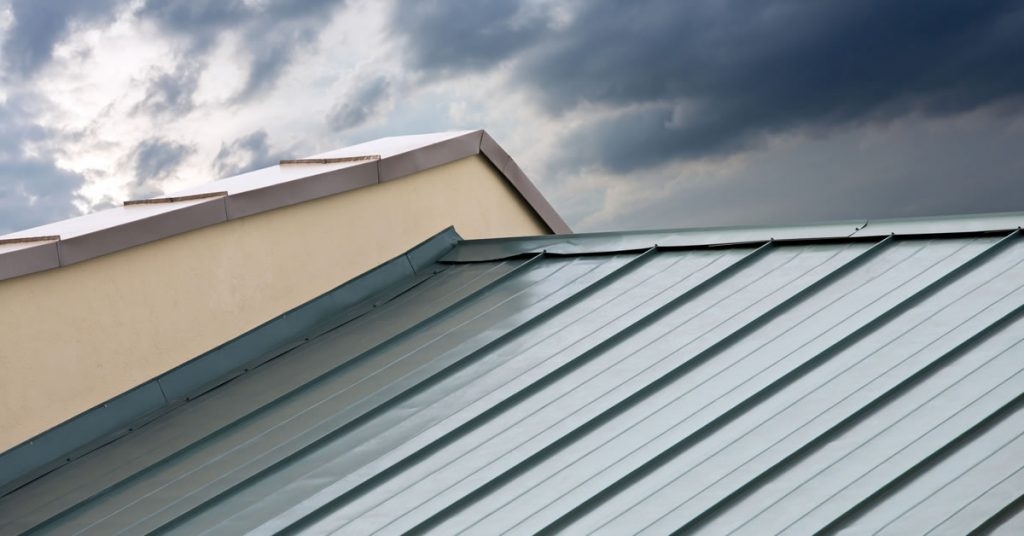
Flat roofs commonly experience ponding water, while metal roofs are affected by thermal expansion, loose fasteners, deteriorated rubber washers, rust, and ageing sealants. Repeated expansion and contraction gradually open small gaps that allow rainwater to penetrate beneath the roofing system.
Bathrooms, Kitchens and Balconies
Wet areas remain exposed to moisture every day. Waterproofing failures usually occur around floor traps, wall-floor junctions, pipe penetrations, tile grout, and movement joints. Even small defects can allow water to seep into the concrete slab and eventually affect ceilings below.
External Walls and Façades
Hairline cracks, failed sealants around windows, and weathered exterior coatings allow wind-driven rain to penetrate wall surfaces. Because water travels inside wall cavities, interior damp patches often appear far away from the original crack.
Expansion Joints and Structural Connections
Buildings naturally expand and contract as temperatures change throughout the day. Expansion joints, construction joints, and internal corners experience continuous movement, making them some of the highest-risk locations for waterproofing failure if unsuitable materials are used.
Basements and Underground Structures
Unlike roof leaks, underground waterproofing failures are frequently caused by hydrostatic pressure. Water continuously pushes against retaining walls and base slabs, requiring specialised waterproofing systems capable of resisting constant water pressure.
What Professional Waterproofing Contractors Should Check Before Repair
Successful waterproofing depends as much on preparation as it does on the waterproofing material itself. Many premature failures occur because contractors focus on applying new coatings without first understanding the building's condition.
Before recommending any repair system, experienced waterproofing specialists should evaluate:
The actual source of water ingress rather than only the visible stain
Surface condition and structural soundness
Existing waterproofing layers and their remaining performance
Building movement around joints, corners, and penetrations
Roof drainage efficiency and potential ponding areas
Material compatibility with the existing substrate
Environmental exposure, including sunlight, rainfall, and traffic conditions
CIDB registration demonstrates that a contractor operates within Malaysia's recognised construction industry framework. However, long-term waterproofing performance still depends on proper diagnosis, correct material selection, skilled workmanship, and compliance with manufacturer installation requirements.
Real Project Experience: Waterproofing Success Depends on Detailing
A practical example can be seen in QingLong Waterproofing's involvement in the MY07 Data Centre Project in Johor Bahru. The waterproofing scope extended far beyond large roof surfaces and included pipe penetrations, expansion joints, internal and external corners, retaining structures, underground slabs, and other critical transition areas.
Although residential properties are very different from data centres, the waterproofing principle remains the same: the majority of long-term failures occur at movement zones, joints, penetrations, and detailing—not across the centre of an open slab.
This illustrates why applying a thicker waterproof coating alone rarely solves recurring leaks. Lasting performance depends on treating every vulnerable connection within the waterproofing system, selecting materials that match the building's conditions, and following proper installation procedures.
Conclusion
Waterproofing repairs deliver the best long-term results when they begin with identifying the true source of water ingress rather than simply treating the visible symptoms. Whether the problem originates from the roof, bathroom, balcony, external wall, basement, or expansion joint, every building requires a repair approach based on its construction, exposure conditions, and existing waterproofing system.
By combining accurate diagnosis, appropriate waterproofing materials, skilled workmanship, and ongoing maintenance, property owners can significantly reduce the risk of recurring leaks while extending the service life of their buildings.
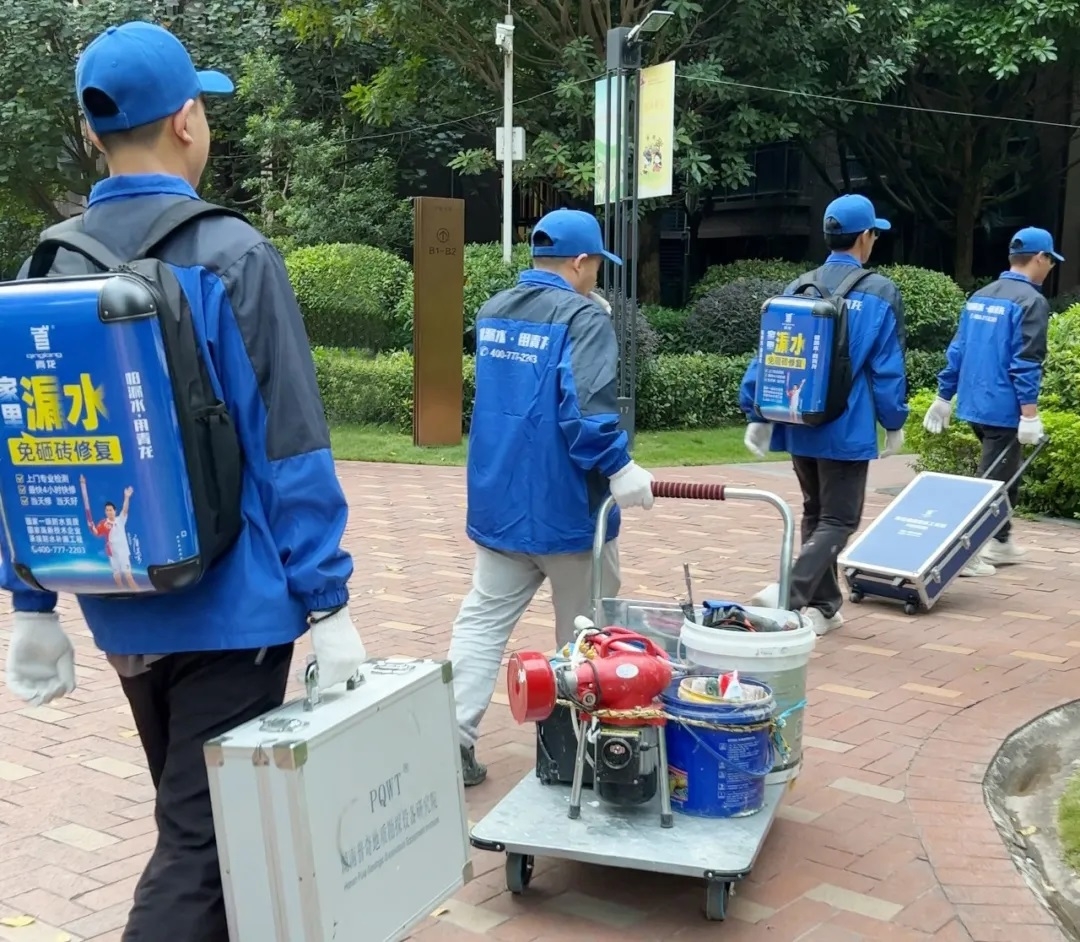
If your property in Muar has experienced repeated roof leaks, wall seepage, bathroom waterproofing failures, or persistent water damage, QingLong Waterproofing provides professional site inspections to resolve the root cause—not just temporarily conceal the problem.
Frequently Asked Questions (FAQs)
1. How long does waterproofing typically last?
The lifespan depends on the waterproofing system, application quality, building movement, maintenance, and environmental exposure. Properly installed systems can provide many years of protection when inspected and maintained regularly.
2. Can waterproofing be carried out during the rainy season?
Yes, but weather conditions must be considered. Many waterproofing products require dry substrates and suitable curing conditions. Professional contractors will schedule work based on the product requirements and site conditions.
3. How much does waterproofing cost in Muar?
The cost varies depending on the leak source, affected area, repair method, substrate condition, and waterproofing system required. A professional site inspection is usually necessary before an accurate quotation can be provided.
4. Is waterproofing maintenance necessary after repairs?
Yes. Periodic inspections, cleaning of drainage systems, and early repair of minor defects help extend the lifespan of the waterproofing system and reduce future maintenance costs.


