

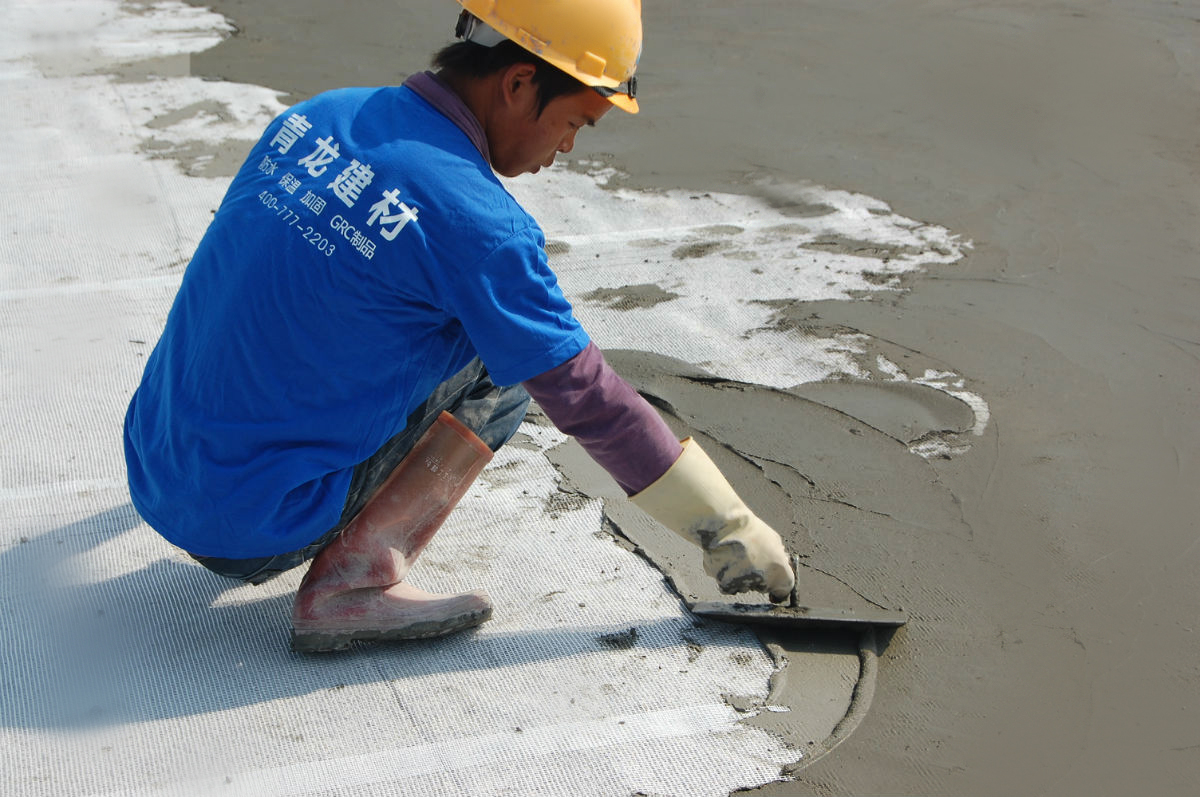
Waterproofing plays a vital role in protecting buildings from moisture damage throughout their lifespan. In Malaysia, where buildings are constantly exposed to heavy rainfall, intense sunlight, and high humidity, installing the right waterproofing system is essential rather than optional.
Without proper waterproofing, water can gradually penetrate roofs, walls, foundations, and concrete structures, leading to leaks, corrosion, mold growth, and costly repairs.
Whether you're developing a residential home, commercial property, industrial facility, or large infrastructure project, understanding the available waterproofing systems can help you select the most suitable solution for long-term protection.
Why Waterproofing Matters in Malaysia
Malaysia's tropical climate creates one of the most demanding environments for buildings. Frequent rainstorms combined with year-round humidity accelerate the deterioration of construction materials when water is allowed to enter the structure.
A professionally designed waterproofing system helps to:
•Prevent roof and wall leaks
•Protect reinforced concrete from water penetration
•Reduce mold and mildew growth
•Minimize maintenance and repair costs
•Extend the lifespan of the building
•Preserve structural integrity
•Improve overall property value
Investing in quality waterproofing during construction or renovation is often far more economical than repairing water damage later.
5 Common Waterproofing Systems in Malaysia
Different waterproofing methods are designed for different environments. The best choice depends on the building design, level of water exposure, structural movement, and expected service life.
1. Cementitious Waterproofing
Cementitious waterproofing is among the most widely used waterproofing solutions because of its simplicity and compatibility with concrete structures. It combines cement-based materials with waterproofing additives to create a protective barrier against water infiltration.
This method is commonly used for:
•Bathrooms
•Water tanks
•Swimming pools
•Basements
•Lift pits
•Concrete walls
Benefits
Cost-effective solution
Easy to apply
Strong adhesion to concrete
Suitable for internal and external applications
Considerations
Because cementitious coatings have limited flexibility, they may not perform as well in structures that experience significant movement or cracking.
2. Liquid Waterproofing Membrane
Liquid-applied waterproofing membranes form a continuous, joint-free protective coating after curing. Since the material is applied as a liquid, it can easily cover complicated shapes and difficult areas that are challenging for sheet membranes.
Typical applications include:
•Flat concrete roofs
•Roof slabs
•Balconies
•Podium decks
•External concrete surfaces
Benefits
•Seamless waterproof layer
•Excellent adhesion
•Suitable for irregular surfaces
•Helps reduce leakage at joints
Considerations
Proper surface preparation and skilled installation are essential for achieving maximum durability and waterproof performance.
3. Torch-On Waterproofing Membrane
Torch-on membrane systems are commonly selected for commercial and industrial roofing because of their durability and long service life. The membrane is installed using controlled heat, allowing it to bond securely to the substrate and create a robust waterproof barrier.
Common applications include:
•Factory roofs
•Warehouse roofs
•Commercial buildings
•Concrete roof decks
•Large construction projects
Benefits
•Excellent waterproof protection
•High weather resistance
•Long-lasting performance
•Ideal for large roof areas
Considerations
Installation should always be carried out by trained professionals, as improper application can reduce waterproofing effectiveness.
4. Polyurethane (PU) Waterproofing
Polyurethane waterproofing is a premium liquid membrane system valued for its flexibility. Once cured, it forms an elastic waterproof layer capable of accommodating minor structural movement and thermal expansion without cracking.
It is frequently used for:
•Roof decks
•Balconies
•Parking structures
•Exposed concrete
•Terrace roofs
Benefits
•Outstanding flexibility
•Excellent crack-bridging capability
•UV-resistant
•Seamless finish
Considerations
PU waterproofing generally costs more than basic waterproofing systems and requires experienced applicators.
5. HDPE Waterproofing Membrane
High-Density Polyethylene (HDPE) membranes provide heavy-duty waterproof protection for below-ground structures. These membranes create a durable physical barrier that withstands groundwater pressure and protects foundations from water intrusion.
Typical applications include:
•Basements
•Foundation walls
•Underground structures
•Retaining walls
•Infrastructure projects
Benefits
•High resistance to water pressure
•Excellent chemical resistance
•Strong mechanical performance
•Long service life
Considerations
Installation requires experienced contractors, particularly around overlaps, penetrations, and construction joints.
How to Choose the Right Waterproofing System
Every project has different waterproofing requirements. Selecting the most suitable system should involve evaluating several important factors instead of focusing only on material cost.
Climate Conditions
Malaysia's climate demands waterproofing systems that can tolerate continuous rainfall, humidity, and UV exposure.
Building Area
Different areas of a building require different solutions. Roofs, basements, wet rooms, balconies, and external walls all experience varying levels of moisture exposure.
Structural Movement
Buildings naturally expand and contract over time. Flexible waterproofing systems may be more suitable for areas where movement is expected.
Durability
Consider the expected service life, maintenance needs, and long-term performance rather than simply choosing the lowest upfront cost.
Budget
The ideal waterproofing solution should provide reliable protection while matching the project's technical requirements and overall budget.
Selecting the Right Waterproofing Partner
Choosing quality waterproofing materials is only part of the solution. Proper product selection, surface preparation, detailing, and installation all play important roles in achieving long-lasting waterproof performance.
With more than three decades of waterproofing experience, QingLong provides complete waterproofing systems for residential, commercial, industrial, and infrastructure developments across Malaysia.
Its product range includes solutions for roof waterproofing, basement waterproofing, concrete protection, industrial waterproofing, waterproofing repair, and large-scale construction projects. By combining technical expertise with high-quality waterproofing materials, QingLong helps property owners and contractors reduce leakage risks and extend the service life of their buildings.
Whether you are constructing a new development or upgrading an existing property, selecting the appropriate waterproofing system can significantly reduce future maintenance costs while protecting your investment for many years.
Frequently Asked Questions (FAQs)
1. How long can a waterproofing system last?
The lifespan depends on the waterproofing material, installation quality, environmental exposure, and maintenance. When properly installed and maintained, many waterproofing systems can provide reliable protection for years. Regular inspections help identify potential issues before they become major problems.
2. What is the average waterproofing cost in Malaysia?
Pricing varies according to the project size, waterproofing method, application area, existing surface condition, and labour requirements. A professional site inspection is recommended to determine the most suitable system and provide an accurate quotation.
3. Is waterproofing required for all buildings?
Yes. Residential houses, commercial properties, factories, warehouses, and infrastructure projects all benefit from waterproofing. The most appropriate solution depends on the building's design, intended use, and exposure to moisture.
4. Can existing buildings be waterproofed?
Absolutely. Waterproofing systems can be installed on both new and existing buildings. Before carrying out repairs, it is important to identify the source of water ingress so the correct repair method and waterproofing solution can be applied.
5. Should waterproofing be a DIY project?
DIY waterproofing products may be suitable for minor maintenance or small residential repairs. However, larger projects, roof waterproofing, basement waterproofing, and commercial applications should be completed by qualified waterproofing specialists to ensure proper installation and long-term performance.


