

Waterproofing problems often begin with a ceiling stain, peeling paint, damp wall, mould or a musty smell. Although these warning signs may look similar, the source of the water and the suitable repair method can be very different.
A roof must withstand sunlight, heavy rain and temperature changes. A bathroom waterproofing system works beneath tiles and around floor traps, corners and pipe penetrations. Balconies experience both weather exposure and movement, while basements may need to resist water pressure from the surrounding ground.
In this article, we explain the waterproofing solutions commonly used for roofs, bathrooms, balconies and basements—and why the condition should be inspected before selecting a product or repair method.

Roof Waterproofing Solutions
Roof leakage may be caused by cracks, ageing waterproofing, damaged flashing, loose tiles, failed sealant, rusted metal sheets or blocked drainage. However, the ceiling stain may not be directly below the actual water-entry point.
Water can enter through one section of the roof, travel along the roof structure and only become visible at a ceiling joint or another weak point. Sealing the area directly above the stain may therefore provide only temporary results.
For concrete roofs, the inspection should cover surface cracks, construction joints, parapet junctions, outlets, ponding water and the existing waterproofing layer. Repair may involve removing loose material, treating cracks and joints, correcting drainage problems and applying a compatible exposed waterproof coating.
Metal roofs commonly leak around screws, overlapping sheets, seams, gutters and rusted areas. The repair may include rust removal, replacement or tightening of fasteners, joint reinforcement, primer and a flexible waterproof coating suitable for metal surfaces.
For tile roofs, cracked or shifted tiles, ridge caps, valleys, flashing and the waterproofing layer below the tiles should be checked. Applying sealant around a visible gap will not solve the problem if water is entering elsewhere.
Bathroom Waterproofing Solutions
Bathroom leakage may appear on the ceiling below, outside the bathroom wall or in an adjoining room. Possible causes include a failed waterproofing layer, gaps around floor traps, pipe penetrations, wall-floor junctions, plumbing leaks or poorly sealed joints.
Before deciding on the repair, it is important to determine whether the problem comes from waterproofing, drainage or a concealed pipe. Pressure testing may be required when a water-supply pipe is suspected. Controlled water testing can also help identify whether the leak is related to the shower floor, floor trap or another section.
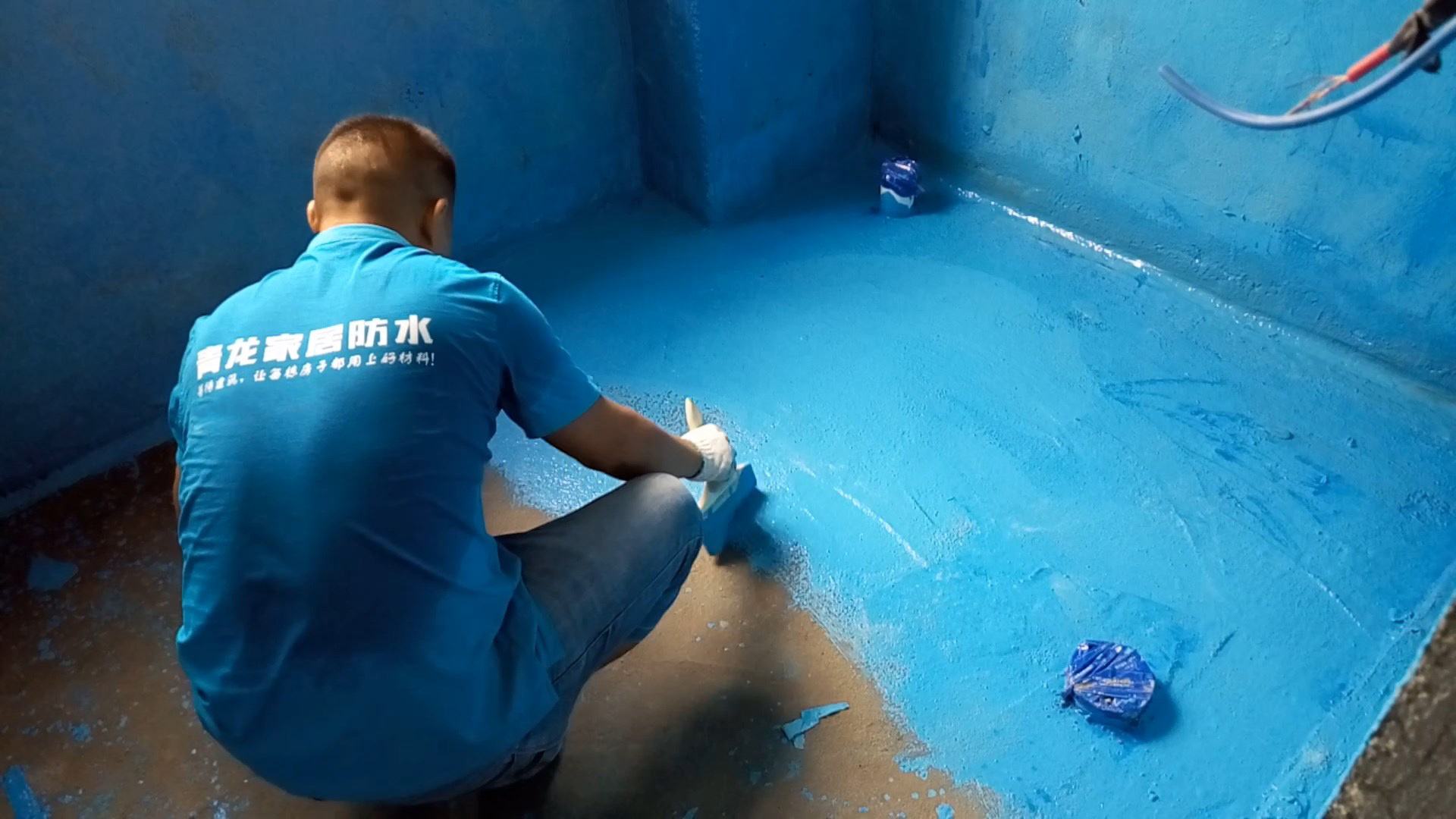
For a new bathroom, waterproofing is normally applied to the prepared concrete or screed before tile installation. Cement-based waterproofing slurry is commonly used on mineral surfaces. Extra attention should be given to internal corners, wall-floor junctions, pipe sleeves and floor traps.
For an existing tiled bathroom, the repair scope depends on the source and extent of the failure. A localised defect around a floor trap may not require the entire floor to be removed. However, if the waterproofing layer has failed across a wider area, removing the tiles and rebuilding the system may provide a more dependable solution.
New grout or a transparent surface coating should not be treated as a universal answer. These methods may help with certain surface defects, but they cannot repair every failed waterproofing layer beneath the tiles.
Balcony Waterproofing Solutions
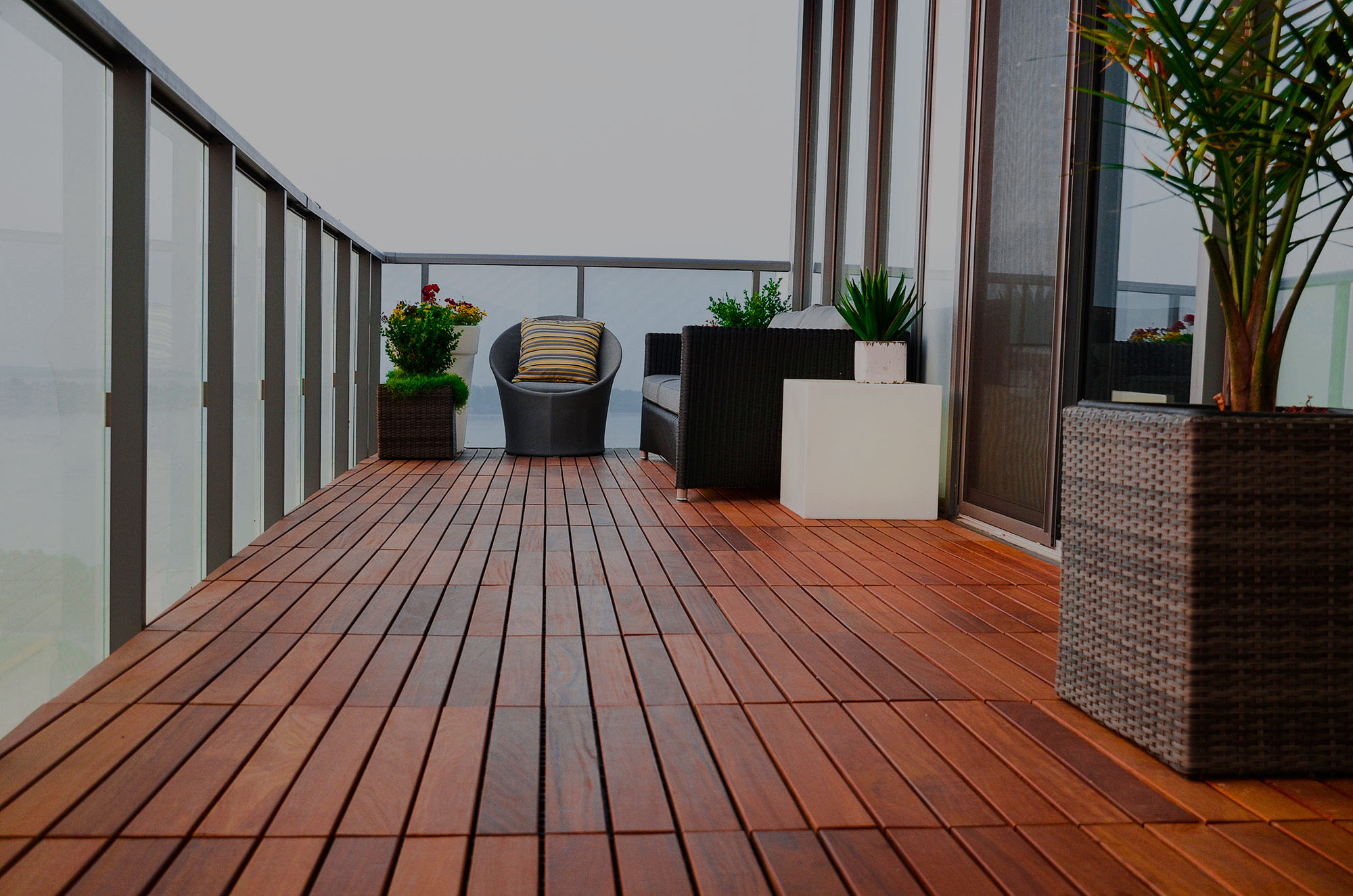
Balconies face frequent rain, direct sunlight and surface movement. Water can enter through cracked tiles, deteriorated grout, wall-floor junctions, door thresholds, railing penetrations, outlets or slab edges.
Drainage is especially important. If the floor has insufficient slope or the outlet is blocked, water may remain on the surface after rain. Standing water increases the chance of moisture entering small cracks and weak junctions.
A balcony inspection should cover the tile condition, drainage fall, outlet, door threshold, wall junctions and railing connections. Hollow tiles and trapped moisture should also be identified before selecting a waterproofing method.
If the tiles and underlying system have deteriorated extensively, the repair may require removing the existing finishes, repairing the substrate and installing a new waterproofing layer before retiling.
Where the existing surface remains stable, an exposed waterproofing system may sometimes be considered. The selected material must be compatible with the substrate and suitable for outdoor exposure, foot traffic and regular cleaning.
Covering visible cracks without correcting ponding water, hollow tiles or a defective outlet can cause the leakage to return.
Basement Waterproofing Solutions
Basement leakage can enter through walls, floor slabs, construction joints, cracks or pipe penetrations. Unlike roof and balcony leakage, basement moisture may be driven by groundwater and hydrostatic pressure.
Common signs include damp patches, white mineral deposits, mould, peeling coatings or water appearing at the wall-floor junction. The problem may become worse after prolonged rain or when the groundwater level rises.
Positive-side waterproofing is generally preferred because the system is installed on the surface directly exposed to water. For basement walls, this normally means waterproofing the external face before backfilling. The system may include a waterproof membrane, protection layer and suitable drainage arrangement.
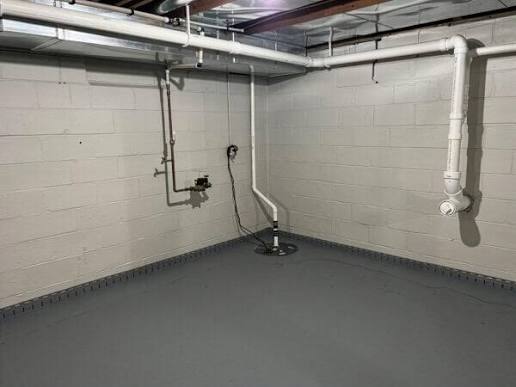
In an existing building, the external surface may no longer be accessible. Negative-side waterproofing may then be considered from inside the basement. Depending on the condition, the work may involve crack treatment, joint repair, cementitious waterproofing or an internal water-control system.
PU injection can help stop active water movement through certain cracks or joints, but it is not suitable for every basement problem. Injection may close one water path without addressing other defects or the overall drainage condition.
Product Selection Should Follow the Diagnosis
Roofs, bathrooms, balconies and basements face different conditions. An exposed roof coating must resist UV exposure and temperature changes. Bathroom waterproofing must work beneath tiles and around detailed junctions. Balcony systems need to handle outdoor weather and foot traffic, while basement systems may need to resist continuous water pressure.
Since 1997, QingLong Waterproofing Group has developed, supplied and applied waterproofing systems for different building conditions. QingLong supplies roof coatings, cement-based waterproofing slurry, waterproof membranes, transparent exterior wall coatings, sealants, repair tapes and other waterproofing materials.
The correct choice depends on the substrate, moisture condition, exposure, movement, accessibility and intended use of the area. The product should be selected after the problem has been assessed—not before.
Conclusion
Roofs, bathrooms, balconies and basements face different types of water exposure, movement and site conditions. A solution that works for one area may not be suitable for another. A more reliable repair begins with identifying the likely water-entry point, inspecting the substrate and understanding how moisture is travelling through the building.
QingLong Waterproofing is a waterproofing manufacturer, solutions provider and service company in Malaysia. If you are experiencing leakage, contact us and share your property location, affected area, photos and videos. Our team will review the initial information and arrange a site visit to inspect the condition before recommending a suitable waterproofing solution and preparing the repair quotation.
Frequently Asked Questions (FAQs)
1. Can the same waterproofing product be used for every area?
No. Roofs, bathrooms, balconies and basements have different exposure, movement and water-pressure conditions.
2. Can waterproofing be applied directly over tiles?
It may be possible if the tiles are stable and the proposed system is compatible. Hollow tiles, trapped moisture or widespread failure may require removal.
3. Is PU injection a permanent basement solution?
It can stop water through particular cracks or joints, but the overall water source and surrounding defects must still be assessed.
4. How long does waterproofing last?
Its service life depends on the material, surface preparation, application quality, exposure, drainage and maintenance.


