

Water leakage often begins with something that looks minor—a small ceiling mark, peeling paint, a damp corner, or occasional dripping after heavy rain. In Malaysia, however, prolonged rainfall, high humidity, strong UV exposure, and frequent temperature changes can cause a small waterproofing defect to develop into a much more expensive building problem.
Water can travel through concrete, screed, wall finishes, joints, and other concealed areas before becoming visible. This means the location of a stain is not always the actual point where water entered the building.
For homeowners, building managers, commercial property owners, and industrial facilities, early diagnosis can help reduce repeated repairs and prevent further deterioration.
In this article, we look at five common and potentially costly leakage problems in Malaysia, why they happen, and how a professional waterproofing specialist approaches them.
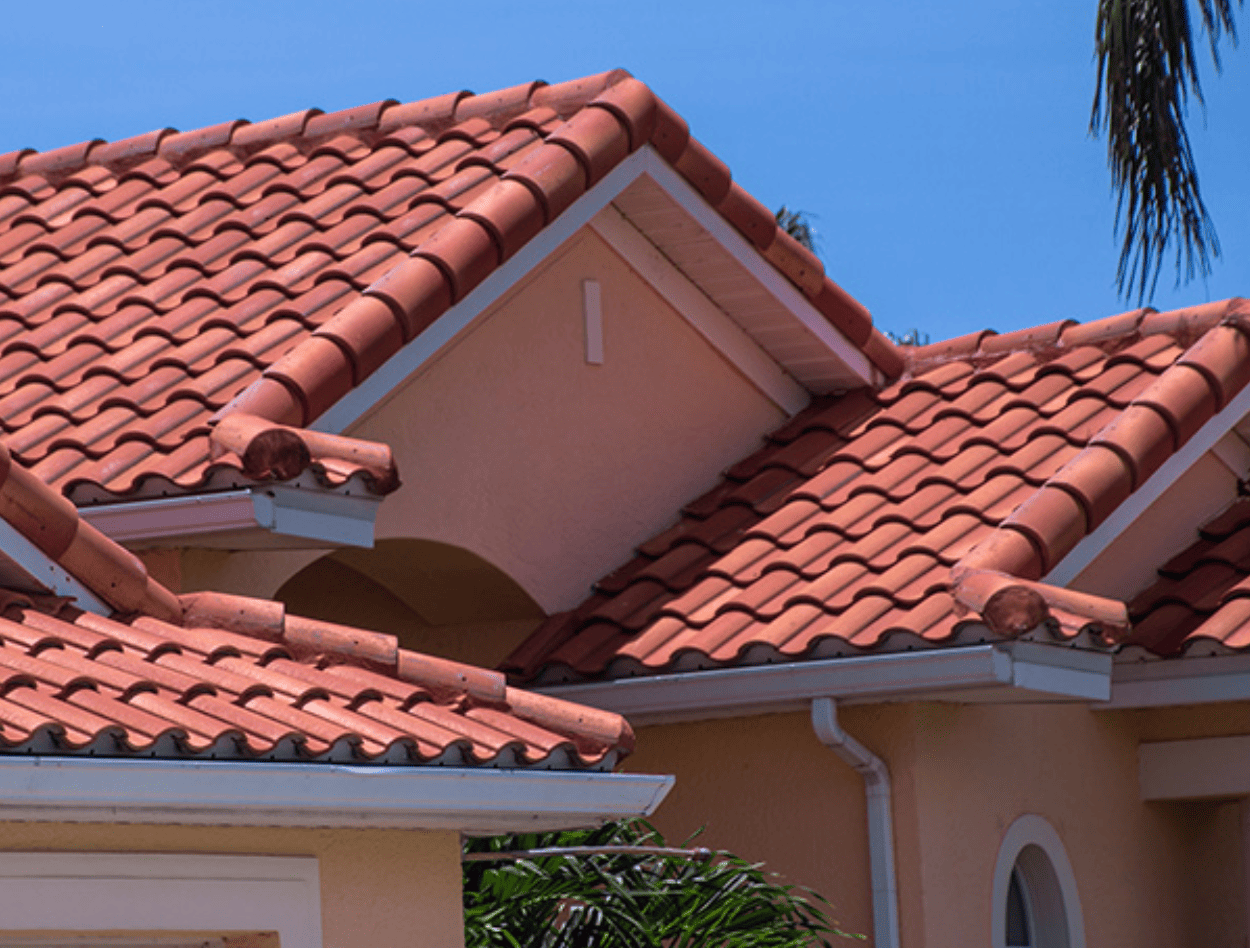
1. Roof Leakage: Finding the Source Before Damage Spreads
Roofs are constantly exposed to Malaysia’s weather. Strong sunlight heats the roof surface during the day, while sudden rainfall can rapidly cool it. Over time, this repeated expansion and contraction can place stress on waterproofing membranes, joints, sealants, and roofing components.
A roof leak may not appear directly below the damaged area. Water can move along the roof slab, insulation, structural components, or other concealed paths before finally appearing indoors.
Common Signs of Roof Waterproofing Problems
• Water marks or brown stains on ceilings
• Damp concrete soffits
• Efflorescence on concrete surfaces
• Cracked, blistered, or deteriorated waterproofing coatings
• Leakage that repeatedly appears during or after heavy rain
Why Roof Leakage Happens
One common cause is deterioration of the existing waterproofing system due to prolonged UV and weather exposure. Cracks may also develop because of structural or thermal movement.
Drainage is another important factor. When a flat roof does not drain properly, standing water remains on the surface for extended periods. Water may eventually penetrate vulnerable areas such as membrane joints, cracks, roof penetrations, fasteners, drainage outlets, and perimeter details.
Instead of repairing the ceiling below, the roof should first be inspected to identify the actual entry point and condition of the existing waterproofing system.
Depending on the roof condition, solutions may include repairing critical details, improving drainage, treating cracks, or applying a suitable liquid-applied or membrane waterproofing system designed for exposed conditions.
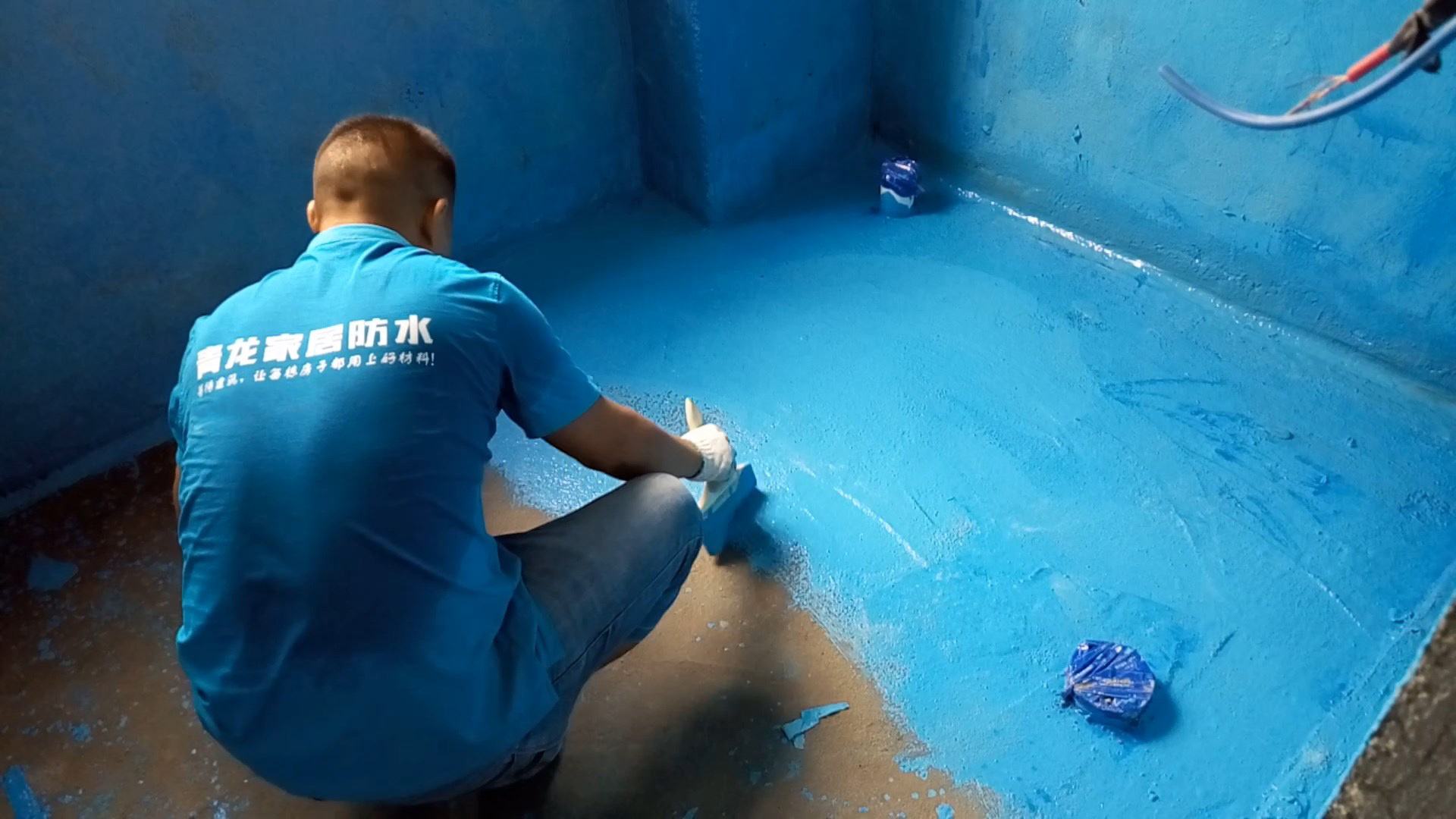
2. Bathroom Leakage: When the Problem Is Beneath the Tiles
Bathrooms are constantly exposed to water, making proper waterproofing beneath the tiles essential. Common warning signs include damp ceilings below the bathroom, peeling paint, moisture around floor traps, loose tiles, and dampness on adjoining walls.
Why Do Bathrooms Leak Even When Tiles Look Fine?
Tiles and grout are not the main waterproofing layer. The waterproofing system beneath the tiles helps prevent water from reaching the screed and concrete substrate.
Leakage can occur when this layer is damaged, poorly applied, insufficiently cured, or weak around corners, floor traps, pipe penetrations, and wall-floor junctions.
Once water enters beneath the tiles, it can travel through the screed before becoming visible elsewhere.
This is why simply replacing grout may not solve the problem. The source should first be checked to determine whether the leakage comes from the waterproofing layer, drainage connection, plumbing, pipe penetration, or another area.
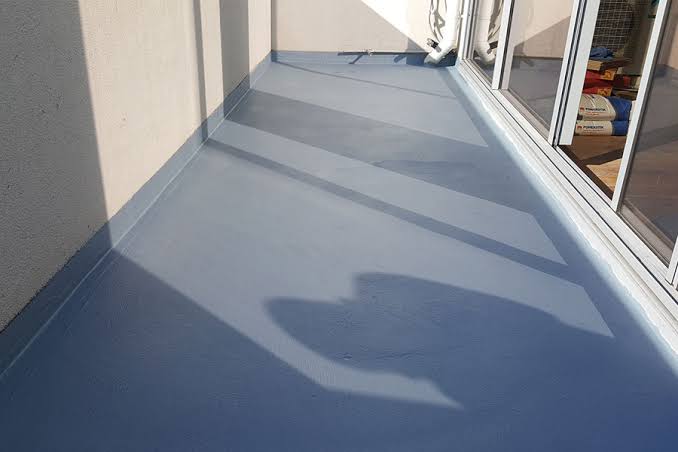
3. Balcony Leakage: Managing Rain, Drainage and Building Movement
Balconies face direct sunlight, heavy rain, temperature changes, and regular foot traffic. Over time, these conditions can affect waterproofing performance.
Common problem areas include:
• Wall-floor junctions
• Drainage outlets
• Railing bases
• Tile joints
• Cracks and penetrations
Water entering through one area of the balcony can travel underneath the tiles and screed before appearing on the ceiling or wall below.
During an inspection, drainage slope, perimeter detailing, tile condition, railing penetrations, and drainage outlets should all be checked.
Repairing only visible grout cracks may not be enough if the actual problem is beneath the tiled surface.
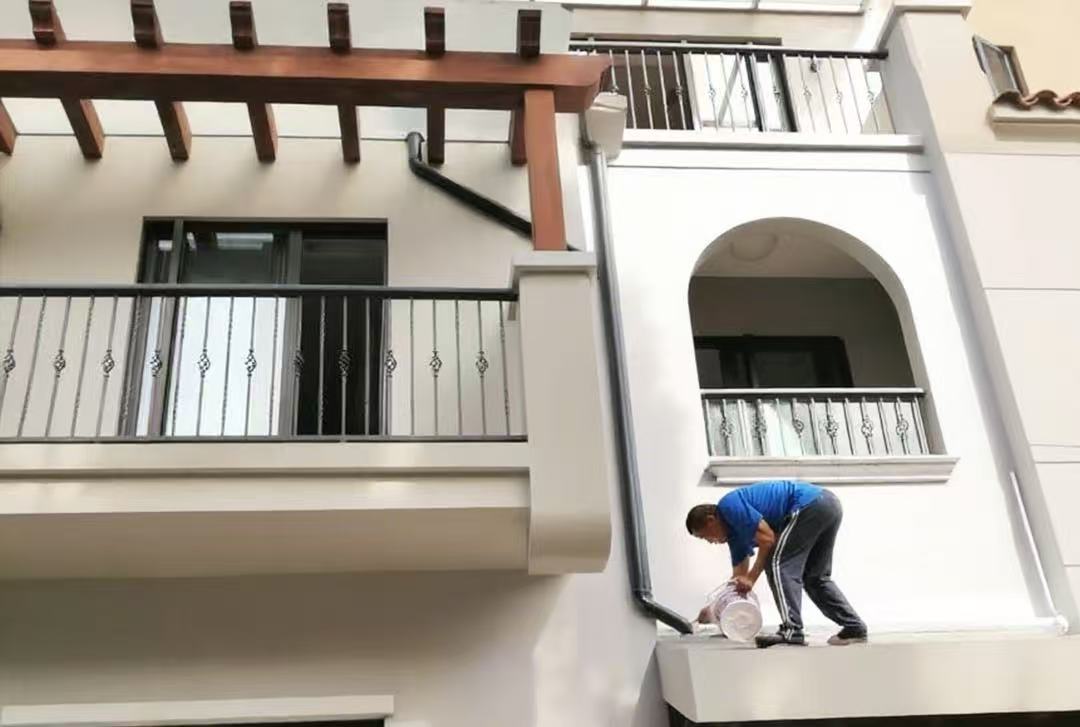
4. External Wall Seepage: Preventing Rainwater From Entering the Building Envelope
External wall seepage is common in apartments, shop offices, commercial buildings, and factories, especially during periods of wind-driven rain.
Typical signs include bubbling paint, damp patches, efflorescence, and mould around windows or external-facing walls.
Water may enter through:
• Hairline wall cracks
• Deteriorated window sealants
• Porous exterior finishes
• Construction joints
• Gaps around façade details
The correct repair depends on where the water is entering. Cracks and failed joints may need to be repaired before applying a suitable exterior waterproofing coating or water-repellent treatment.
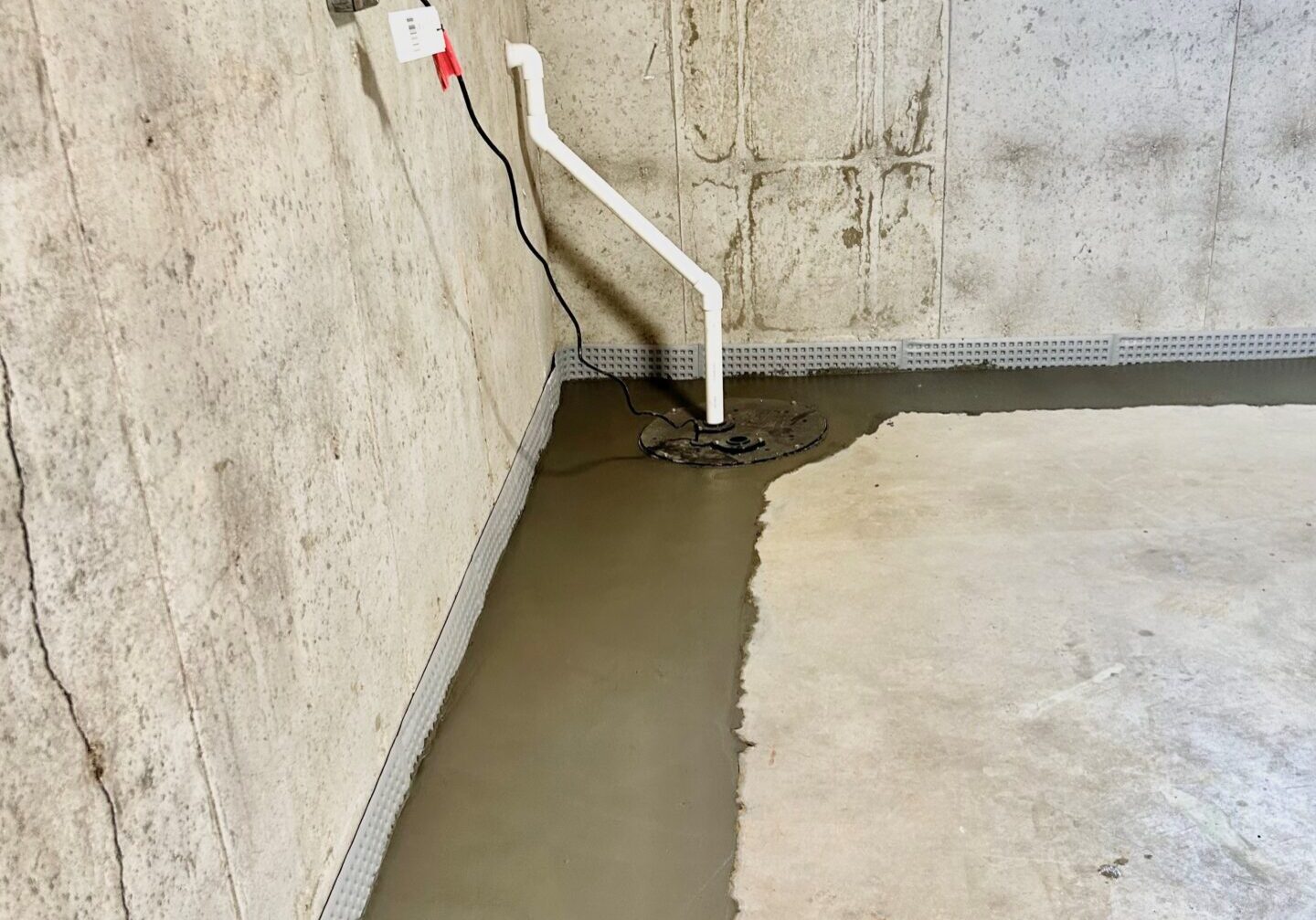
5. Basement and Car Park Leakage: Controlling Water Under Pressure
Basement and underground leakage can be more difficult to repair because groundwater may place continuous pressure against concrete walls and slabs.
After heavy rainfall, water can penetrate through construction joints, cracks, honeycombed concrete, pipe penetrations, and wall-floor junctions.
Depending on the condition, repair methods may include PU injection, cementitious waterproofing, crystalline waterproofing, joint treatment, or a combination of systems.
The appropriate method should only be selected after identifying the source, water pressure, concrete condition, and type of defect.
Conclusion
Roof leaks, bathroom seepage, balcony leakage, external wall dampness, and basement water ingress are common waterproofing problems in Malaysia.
Although the symptoms may look similar, the causes can be very different. Proper diagnosis is important before choosing any repair method, especially when leakage keeps returning after previous repairs.
QingLong Waterproofing provides waterproofing materials, technical consultation, site assessment, application support, and waterproofing solutions for residential, commercial, industrial, and infrastructure projects. If you are facing recurring leakage, contact QingLong Waterproofing for a professional site inspection and suitable waterproofing recommendation.
Frequently Asked Questions (FAQs)
1. What are the most common waterproofing problems in Malaysia?
Common problems include roof leakage, bathroom seepage, balcony leakage, external wall water penetration, and basement or car park seepage.
2. Why does waterproofing leakage keep coming back?
Recurring leakage often happens when only the visible symptom is repaired while the actual water-entry point, damaged waterproofing layer, crack, joint, or drainage issue remains untreated.
3. How do I know where the water is coming from?
A waterproofing inspection can help identify possible entry points by checking moisture patterns, cracks, drainage, joints, penetrations, and the condition of the existing waterproofing system.
4. Can one waterproofing product solve all leakage problems?
No. Different areas are exposed to different conditions, so the waterproofing system should be selected according to the location, substrate, exposure, and cause of leakage.


