

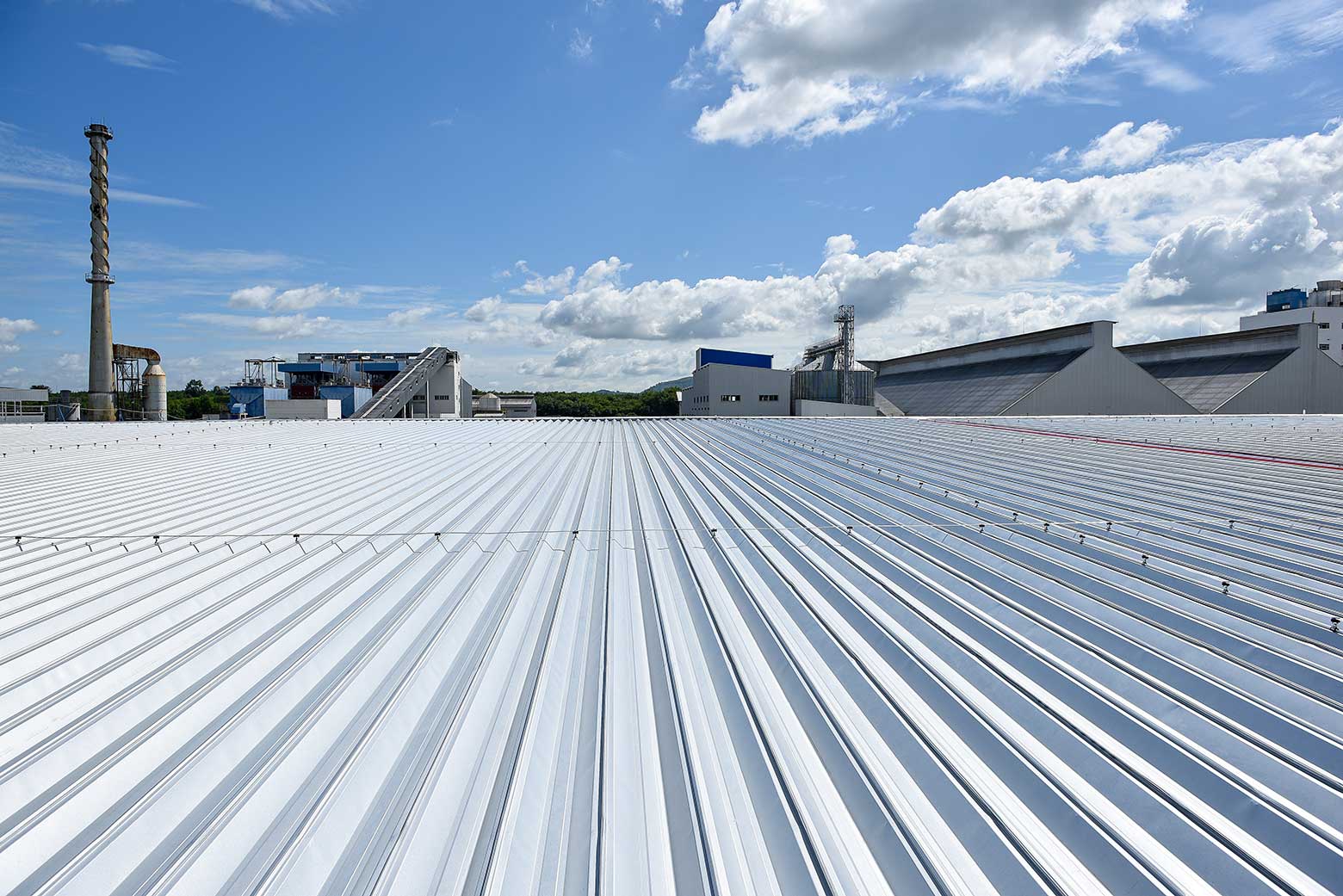
Metal roofs in Kota Kinabalu are constantly exposed to heavy rainfall, intense UV heat, coastal humidity, and, in many areas, salt-laden air. These conditions accelerate roof movement, corrosion, and waterproofing failure, making proper inspection and system selection far more important than simply applying another coating.
Why Metal Roof Leaks Are Common in Kota Kinabalu
Metal roofing remains one of the most popular roofing systems for factories, warehouses, commercial buildings, shop lots, schools, and residential extensions throughout Kota Kinabalu because it is lightweight, durable, and quick to install. However, Sabah's tropical climate also places continuous stress on every component of a metal roof.
Why do metal roofs leak even when the sheets appear to be in good condition?
In most cases, leakage is not caused by a single hole. Instead, it develops gradually through several vulnerable areas working together, including:
• Loose roofing screws and deteriorated rubber washers
• Sheet overlaps that have opened due to thermal movement
• Cracked sealant around flashing and penetrations
• Rust forming around fasteners and exposed edges
• Blocked gutters causing ponding water
• Poor detailing at ridge caps, skylights, vents, and wall junctions
During hot afternoons, metal roofing expands significantly. As temperatures fall during rainstorms or at night, the sheets contract. This daily cycle gradually loosens fasteners, weakens sealants, and creates microscopic gaps that allow water to enter.
Once rainwater penetrates beneath the roof sheet, it often travels several metres before appearing as a ceiling stain, making the visible leak very different from the actual entry point.
For this reason, repairing only the water stain or obvious crack rarely solves the underlying problem.
Why Metal Roof Waterproofing Systems Fail
Many waterproofing failures are not caused by poor-quality products but by incomplete diagnosis and incorrect installation.
A common mistake is applying waterproof coating immediately after discovering a leak without understanding why water entered in the first place.
Professional inspection should evaluate:
• Overall roof condition
• Existing corrosion level
• Roof movement
• Drainage performance
• Previous waterproofing compatibility
• Structural defects
• Water flow during heavy rainfall
Without identifying these factors, even premium waterproofing materials may fail prematurely.
A successful waterproofing system addresses both the waterproofing layer and the condition of the roof beneath it.
Common Failure Points on Metal Roofs
Metal roofing contains numerous joints and penetrations that require continuous protection throughout the building's service life.
The areas most likely to develop leakage include:
• Roofing screws and rubber washers
• Lap joints
• Ridge caps
• Box gutters
• Valley gutters
• Flashing connections
• Roof penetrations
• Skylight perimeters
• Air-conditioning pipe penetrations
• Expansion joints
Each of these locations experiences different levels of movement, water exposure, and weathering.
For example:
• Rust reduces metal thickness, weakening sealant adhesion.
• UV exposure hardens old sealants until they crack.
• Standing water increases hydrostatic pressure around laps and fasteners.
• Thermal expansion gradually enlarges screw holes.
Effective metal roof waterproofing therefore involves much more than applying a thicker coating.
What to Look for Before Hiring a Waterproofing Contractor
Choosing the right waterproofing contractor is often more important than choosing the coating itself. Before starting any project, a professional contractor should assess:
Roof Condition
• Rust severity
• Sheet integrity
• Loose fasteners
• Existing coating condition
• Structural movement
Water Entry Points
• Flashing details
• Roof penetrations
• Wall connections
• Ridge caps
• Gutter overflow
• Rainwater flow direction
Surface Preparation
• Pressure cleaning
• Rust removal
• Moisture condition
• Surface drying
• Primer compatibility
Waterproofing System Design
Depending on inspection findings, the repair may require:
• Screw replacement
• Joint resealing
• Rust treatment
• Reinforcement fabric
• Waterproof membrane
• Elastomeric roof coating
The recommended system should match the roof's condition rather than following a one-size-fits-all approach.
Temporary Repairs vs Professional Waterproofing
Many property owners repeatedly apply silicone sealant whenever leakage appears.
Although this may temporarily stop water ingress, it rarely addresses the underlying cause.
For example, if leakage results from:
• multiple loose fasteners,
• hidden corrosion beneath overlaps,
• blocked drainage,
• deteriorated flashing,
then adding more sealant simply hides the symptoms.
Professional waterproofing focuses on restoring the entire waterproofing system instead of repairing only one visible defect.
Why Experience Matters
Successful metal roof waterproofing combines technical knowledge with practical site experience.
Every roof behaves differently depending on factors such as:
• roof age,
• roof profile,
• exposure to coastal conditions,
• maintenance history,
• structural movement,
• previous repairs.
An experienced waterproofing specialist should explain:
• why the roof is leaking,
• which repair method is appropriate,
• what limitations exist,
• what maintenance will be required after completion.
They should also explain when waterproof coating alone is not sufficient.
If corrosion has significantly weakened the roofing sheets, replacing damaged sections before waterproofing is often the safest long-term solution.
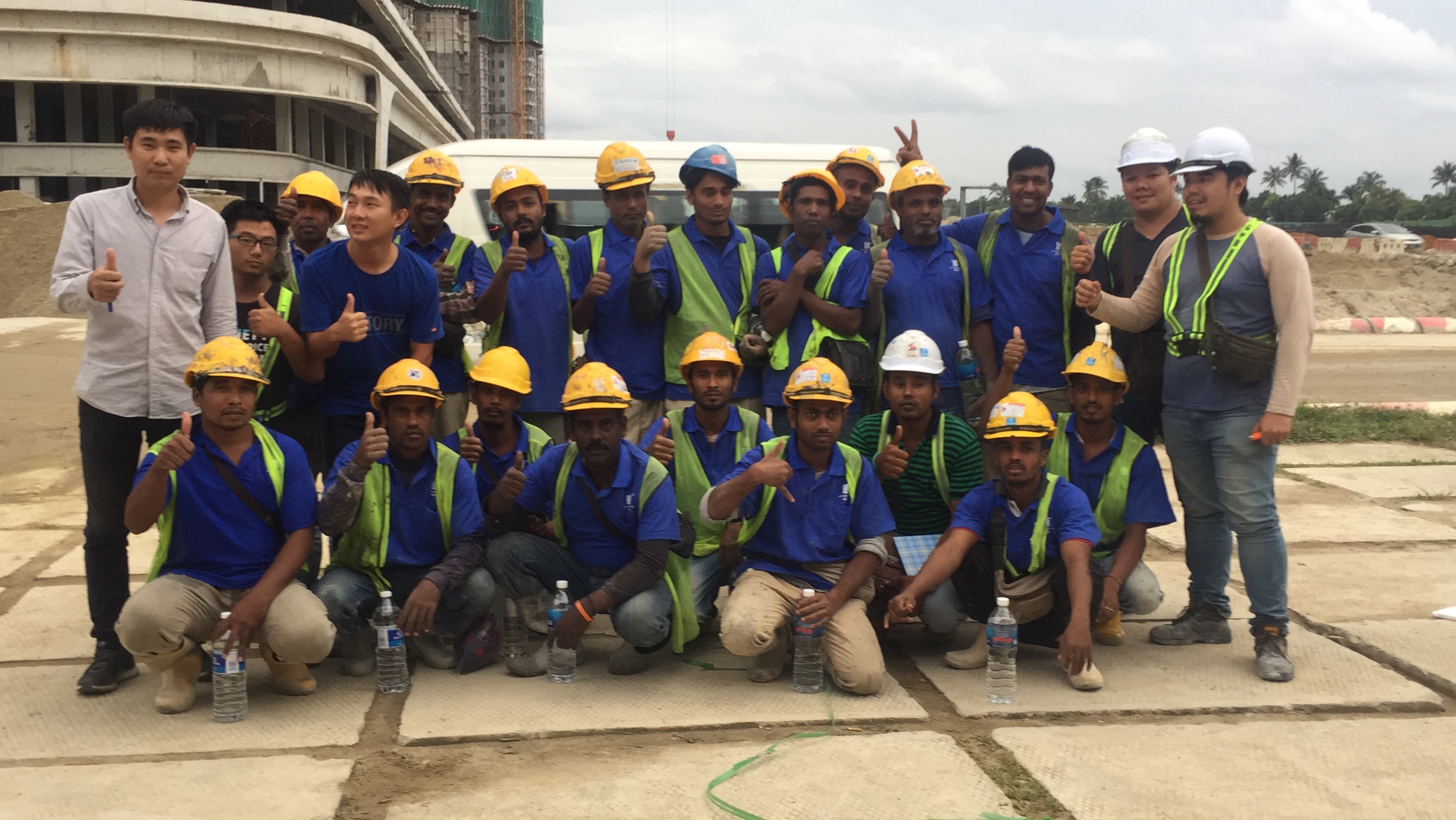
Why Choose QingLong Waterproofing?
With more than 30 years of waterproofing expertise, QingLong Waterproofing supplies complete waterproofing systems for residential, commercial, industrial, and infrastructure projects throughout Malaysia.
Rather than recommending a single solution for every roof, QingLong evaluates the roof's condition before recommending suitable waterproof coatings, sealants, joint treatment materials, or repair systems. This approach helps ensure compatibility with the existing roof while improving long-term waterproofing performance under Malaysia's demanding tropical climate.
Conclusion
Metal roof waterproofing is most effective when it begins with a comprehensive inspection rather than an immediate repair. In Kota Kinabalu, continuous exposure to heavy rainfall, strong UV radiation, humidity, and coastal conditions means even small defects can quickly develop into persistent leakage if left untreated.
A reliable waterproofing solution combines accurate diagnosis, thorough surface preparation, appropriate repair techniques, compatible waterproofing materials, and ongoing maintenance. Addressing the root cause—not just the visible leak—helps extend the roof's service life, reduce repeat repairs, and minimise long-term maintenance costs.
Whether you manage a factory, warehouse, commercial building, shop lot, or residential property, selecting an experienced waterproofing specialist is one of the most important decisions for protecting your investment. QingLong Waterproofing provides professional inspections, practical repair recommendations, and proven waterproofing systems designed to perform in Malaysia's challenging tropical climate.
Frequently Asked Questions (FAQS)
1. Why does my metal roof still leak after applying sealant?
Sealant only repairs specific gaps. If leakage originates from loose fasteners, failed overlaps, rusted sheets, flashing defects, or drainage problems, additional waterproofing work will usually be required.
2. What is the best waterproofing system for metal roofs in Kota Kinabalu?
There is no single solution suitable for every roof. The best system depends on the roof's age, corrosion level, movement, drainage condition, and overall structural integrity. Most successful projects combine inspection, preparation, repair, reinforcement, and compatible waterproof coatings.
3. Can waterproof coating stop all roof leaks?
Not always. Waterproof coating performs well only when applied to a properly prepared and structurally sound roof. Severely rusted or damaged roofing sheets should normally be repaired or replaced first.
4. How often should metal roofs be inspected?
Commercial and industrial buildings should ideally undergo roof inspections at least once a year and after severe storms. Regular inspections allow loose fasteners, blocked gutters, deteriorated sealants, and early corrosion to be repaired before they develop into major leakage problems.


