

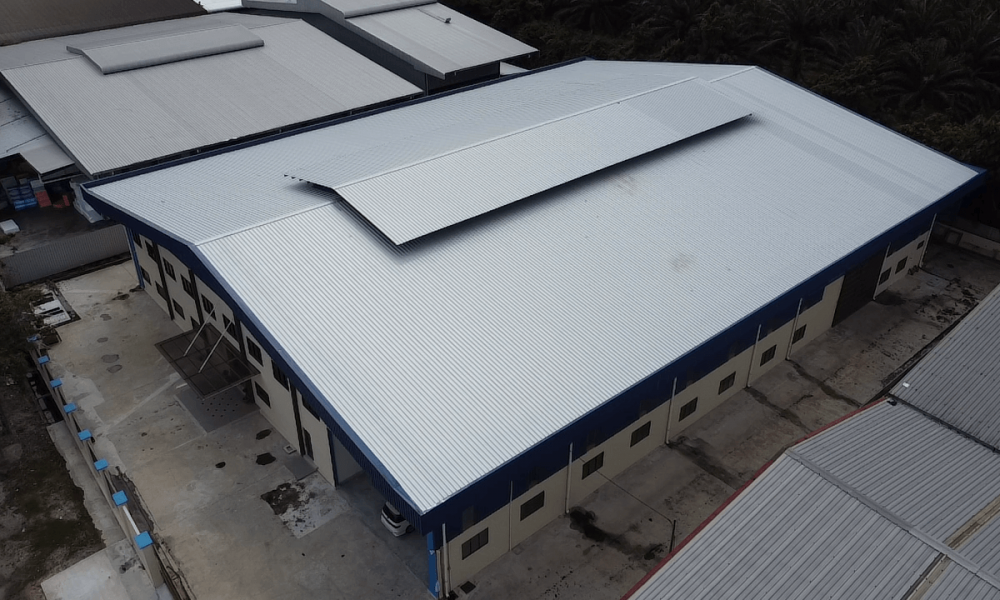
Metal roof leaks rarely happen because the waterproofing coating itself is defective. In most cases, failures begin much earlier—during inspection, surface preparation, detailing, or application. In Malaysia's tropical climate, where metal roofs expand under intense sunlight and contract after heavy rain, even small workmanship mistakes can quickly develop into recurring leaks.
Whether the roof belongs to a factory, warehouse, commercial building, shop lot, or residential extension, successful metal roof waterproofing depends on more than selecting a good product. It requires proper diagnosis, suitable repair methods, safe installation practices, and experienced workmanship. This is one reason many property owners prefer working with CIDB-certified waterproofing contractors for roofing projects.
Why Metal Roof Waterproofing Fails in Malaysia
Metal roofing remains one of the most popular roofing systems in Malaysia because it is lightweight, durable, and economical for large-span buildings. It is widely used for factories, warehouses, commercial buildings, industrial facilities, agricultural buildings, and residential car porches.
However, metal roofs experience constant movement throughout their service life. Daily exposure to intense sunlight causes roof sheets to expand, while rain rapidly cools the metal and causes contraction. This continuous movement gradually affects waterproofing details such as:
• Screw fasteners
• Rubber washers
• Lap joints
• Ridge caps
• Flashing
• Gutters
• Skylight connections
• Pipe penetrations
• Roof accessories
Once these weak points begin to loosen, rainwater can penetrate beneath overlapping sheets before travelling along metal ribs or structural members. As a result, the ceiling stain visible inside the building often appears several metres away from the actual leak source.
This explains why many repeated waterproofing repairs fail—they only repair where water appears instead of identifying where it actually enters.
Common Causes of Metal Roof Waterproofing Failure
Although many people assume waterproofing failure is caused by poor-quality coating, site investigations often reveal a combination of workmanship and maintenance issues.
Some of the most common causes include:
• Rust left untreated before waterproofing
• Loose or deteriorated roof screws
• Failed rubber washers
• Cracked sealant around roof penetrations
• Poor surface cleaning before coating
• Incompatible waterproofing materials
• Blocked gutters causing ponding water
• Incorrect coating thickness
• Insufficient curing time before rainfall
• Failure to repair damaged roof sheets
Each issue reduces the effectiveness of the waterproofing system regardless of the coating brand being used.
Why Surface Preparation Is More Important Than Coating
One of the biggest misconceptions in roof waterproofing is believing that coating alone can solve every leak.
In reality, waterproofing materials can only perform as well as the surface beneath them.
Metal roof surfaces commonly contain contaminants such as rust, dust, grease, oxidation, loose paint, chalking, and moisture. If these contaminants remain, the waterproofing membrane bonds to the contamination instead of the metal itself. Over time, the contamination separates from the roof surface, causing blistering, peeling, or premature coating failure.
Proper preparation generally includes:
• Cleaning the roof surface
• Removing rust mechanically
• Replacing severely corroded sections
• Tightening or replacing loose screws
• Resealing movement joints
• Repairing flashing details
• Applying compatible primers where required
Skipping these steps often leads to repeated leakage within a relatively short period.
Why CIDB Certification Matters for Metal Roof Waterproofing
CIDB (Construction Industry Development Board Malaysia) regulates and develops Malaysia's construction industry. For waterproofing projects, particularly on commercial and industrial buildings, working with a CIDB-certified contractor provides greater confidence that work is carried out according to recognised construction practices.
While certification alone cannot guarantee a leak-free roof, it demonstrates a stronger commitment to professional workmanship, safety, accountability, and project management.
CIDB-certified contractors are generally more likely to:
• Follow structured inspection procedures
• Prepare method statements before work begins
• Apply products according to manufacturer specifications
• Maintain safer working practices at height
• Document project progress
• Comply with construction industry standards
For factory and warehouse roofs, where workers operate at considerable heights under challenging weather conditions, these practices become especially important for both project quality and site safety.
How Professional Waterproofing Improves Long-Term Performance
Effective metal roof waterproofing should be viewed as a complete repair system rather than a single coating application.
A professional waterproofing process normally includes:
1. Roof inspection and leak diagnosis
2. Assessment of roof movement and structural condition
3. Surface cleaning and rust treatment
4. Repair or replacement of damaged fixings
5. Sealing of joints, flashing, gutters, and penetrations
6. Selection of suitable primers and waterproofing materials
7. Controlled waterproofing application
8. Final inspection and quality verification
Each stage contributes to the long-term durability of the waterproofing system. Omitting any one of these steps can significantly shorten its service life.
Case Study: Solving Repeated Factory Roof Leakage
A manufacturing facility experienced recurring roof leaks despite several previous repair attempts. Water stains repeatedly appeared above the production area during heavy rainfall.
Initial inspection showed that earlier repairs had focused only on the visible leakage points. A more detailed investigation revealed that rainwater was entering through aged screw washers, deteriorated lap joints, and several poorly sealed flashing details before travelling beneath the roof sheets.
Instead of immediately applying a waterproof coating, the repair process began with comprehensive surface preparation. Rusted sections were treated, damaged fasteners were replaced, critical joints were resealed, and drainage near the gutters was improved.
Only after the roof structure had been stabilised was the waterproofing system installed.
By addressing the underlying causes rather than simply covering the symptoms, the repaired roof achieved significantly more reliable performance during subsequent heavy rain.

Why Choose QingLong Waterproofing for Metal Roof Waterproofing?
With over 30 years of waterproofing expertise, QingLong Waterproofing is a trusted waterproofing manufacturer, supplier, and solutions provider in Malaysia. We provide reliable metal roof waterproofing solutions designed to withstand Malaysia's hot climate, heavy rainfall, UV exposure, and constant thermal movement.
Why choose QingLong?
• Over 30 years of waterproofing experience
• Systems designed for Malaysia's tropical climate
• Solutions for factories, warehouses, commercial, and residential buildings
• CIDB-certified expertise for professional waterproofing projects
Whether you need metal roof leak repair or complete waterproofing, QingLong delivers durable, long-lasting protection for your building.
Conclusion
Successful metal roof waterproofing begins long before the first coat is applied. Accurate diagnosis, thorough surface preparation, proper detailing, compatible waterproofing systems, and skilled workmanship all play essential roles in achieving durable, long-term protection.
While CIDB certification is an important indicator of professionalism, lasting waterproofing performance ultimately depends on following the complete repair process rather than relying on coating alone.
If your factory, warehouse, commercial building, or residential property requires professional metal roof waterproofing in Malaysia, QingLong Waterproofing provides comprehensive roof inspections, and waterproofing solutions designed around your building's actual condition—helping you achieve reliable protection instead of another temporary repair.
Frequently Asked Questions (FAQs)
1. Why does metal roof waterproofing fail even after applying a new coating?
Most failures occur because the underlying roof issues were not properly addressed. Untreated rust, loose fasteners, deteriorated sealant, poor surface preparation, or inadequate joint detailing can all cause leaks to return despite a new waterproof coating.
2. What should I inspect before waterproofing a metal roof?
Inspect the overall roof condition, rust level, screw fixings, flashing, gutters, roof penetrations, drainage performance, surface preparation methods, waterproofing material compatibility, and contractor credentials before work begins.
3. Does every leaking metal roof require waterproof coating?
No. Some roofs require screw replacement, flashing repairs, joint resealing, rust treatment, or drainage improvements before waterproofing materials should be applied. Applying coating without correcting the underlying defects often leads to repeated leakage.
4. How long does metal roof waterproofing typically last?
The lifespan depends on roof condition, workmanship quality, waterproofing system selection, environmental exposure, and ongoing maintenance. A properly installed system with correct preparation generally provides significantly longer service life than repairs carried out without adequate diagnosis.
5. Is CIDB certification important for metal roof waterproofing in Malaysia?
Yes. CIDB certification indicates that the contractor operates within recognised construction industry requirements and is generally more likely to follow proper safety practices, structured work procedures, and professional project management.


