

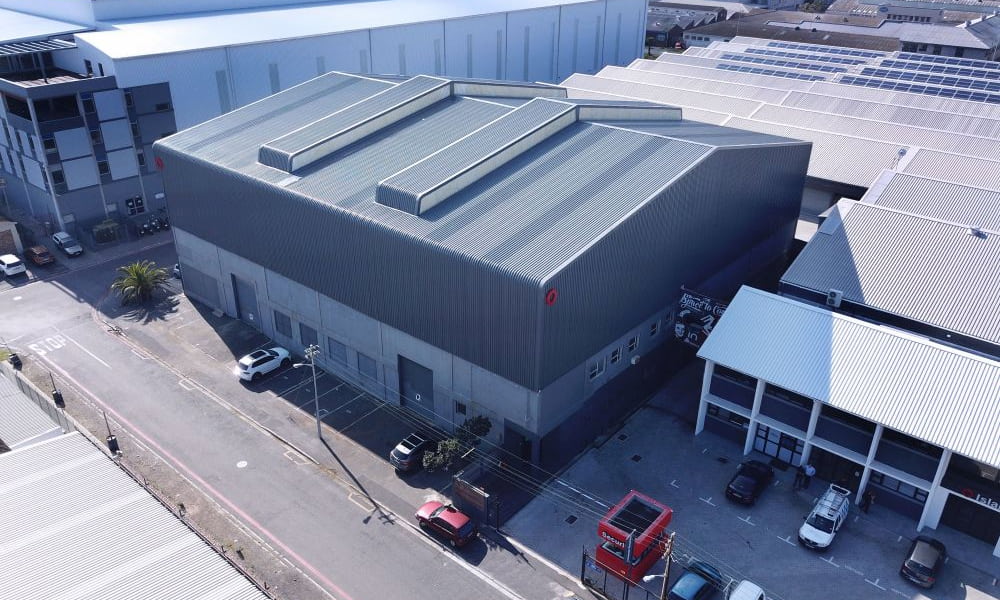
A warehouse is built to protect stock, machinery, equipment and daily operations. However, Malaysia’s heavy rainfall, high humidity, strong sunlight and frequent temperature changes can gradually weaken the building envelope. Once water enters through the roof, walls, joints or floor slab, the damage can extend far beyond a visible ceiling stain.
Warehouse waterproofing is therefore not simply a repair carried out after leakage occurs. It is a coordinated system that protects the building from water penetration and supports safer, more reliable operations.
In this article, we explain what warehouse waterproofing is, which areas require protection, how it benefits industrial properties and what building owners should inspect before selecting a waterproofing solution in Malaysia.
What Is Warehouse Waterproofing?
Warehouse waterproofing is the process of protecting the building against water entering through its roof, external walls, concrete slabs, joints, openings and below-ground areas.
A complete waterproofing system may include waterproof coatings, membranes, joint sealants, flashing details, drainage improvements and crack repairs. The recommended system depends on the building material, source of water, surface condition and expected movement.
For example, a metal-roof warehouse may experience leakage around screws, overlapping sheets, gutters or corroded sections. A reinforced concrete roof may develop cracks, ponding water or deterioration of the existing waterproofing layer. Water entering a warehouse wall may instead come from porous surfaces, failed sealant or cracks around windows and wall joints.
This is why warehouse waterproofing should begin with an inspection rather than the immediate application of a general-purpose coating.
Why Warehouses in Malaysia Require Waterproofing
Malaysia’s climate places continuous pressure on industrial buildings. Roofs and exterior walls are exposed to intense sunlight followed by sudden heavy rain. These repeated heating, cooling, wetting and drying cycles can cause materials to expand, contract and deteriorate.
Metal roofs may develop loose fasteners, rusted sheets and failed joint sealants. Concrete roofs can form cracks or retain water when drainage falls are insufficient. High humidity can also slow down the drying of damp building materials, allowing mould, corrosion and coating failure to develop.
Wind-driven rain creates another challenge. During a storm, water may be pushed beneath metal-sheet overlaps, through louvres or into small external wall cracks that do not leak during lighter rain.
The visible water inside the warehouse may therefore be several metres away from the actual entry point. A ceiling stain or wet floor shows where water becomes visible, but it does not always confirm where the leak began.
Key Warehouse Areas That Require Waterproofing
Warehouse Roofs
The roof is one of the most exposed parts of a warehouse. Common leakage points include metal-sheet overlaps, screws, roof penetrations, ridge caps, skylights, gutters and rainwater outlets.
For concrete roofs, contractors should check for cracks, damaged waterproofing layers, poor drainage falls and areas of ponding water. Simply applying another coating over a deteriorated surface may not solve the underlying problem if drainage or substrate defects remain.
Gutters and Drainage Systems
A waterproof roof still requires an effective drainage system. Blocked or undersized gutters can overflow during heavy rain, allowing water to enter through roof edges and wall connections.
Downpipes, outlets and internal drainage channels should be checked for blockages, damage and insufficient capacity. Any waterproofing proposal should consider how quickly water can leave the roof—not only how the roof surface is sealed.
Exterior Walls
Warehouse wall leakage may occur through cracks, porous masonry, deteriorated coatings, panel joints or gaps around windows, pipes and ventilation openings.
The correct repair depends on the wall material and entry point. A waterproof coating may be suitable for certain porous surfaces, while moving joints may require a flexible sealant or a more detailed joint-treatment system.
Roof and Wall Joints
Warehouses often combine different materials, such as metal roofing, concrete walls and lightweight wall panels. These materials do not expand and contract at the same rate.
Movement is concentrated at the connections between them. If the waterproofing material cannot accommodate this movement, cracks and gaps may reopen after repair. These transition areas require compatible sealants, membranes or reinforcement details.
Concrete Floors and Below-Ground Areas
Ground moisture can enter through concrete floors, basement walls or retaining structures when the original waterproofing system is damaged or incomplete. Warning signs may include damp patches, peeling floor coatings, white mineral deposits or moisture around wall-floor junctions.
Before recommending a solution, the contractor should determine whether the moisture is coming from rainfall, plumbing, surface cleaning, groundwater or vapour passing through the concrete.
Benefits of Warehouse Waterproofing
Effective warehouse waterproofing protects more than the building structure. It also reduces risks to inventory, machinery and business operations.
Water entering a warehouse can damage packaging, raw materials and finished goods. It can cause electrical hazards, slippery floors and corrosion of metal equipment or storage racks. Persistent moisture may also lead to mould, unpleasant odours and deterioration of internal finishes.
Preventive waterproofing and regular inspections allow defects to be identified before they become major failures. Repairs can then be planned around the warehouse’s operating schedule, reducing the risk of emergency shutdowns or disruption during heavy rain.
A properly selected system can also extend the service life of roofs, walls and concrete surfaces. However, its performance still depends on surface preparation, correct application, drainage condition and routine maintenance.
Warehouse Waterproofing Is Different From Temporary Leak Patching
Temporary patching usually focuses on the most visible opening or stain. Warehouse waterproofing investigates the wider water path and building condition before deciding on the repair scope.
For example, water dripping below a roof screw does not always mean that one screw is the only problem. The water may have entered through a higher roof overlap and travelled along the sheet before dripping indoors. Likewise, sealing an internal wall crack may not stop rainwater entering from the external surface.
A more reliable assessment should identify:
• The likely water-entry point
• The path taken by the water
• The condition of the existing roof or wall system
• Rust, cracks, loose fasteners and failed joints
• Drainage and ponding-water problems
• Areas requiring surface preparation
• Materials suitable for the substrate and exposure
This information allows the repair proposal to address the actual cause instead of covering only the visible symptom.
Choosing a Warehouse Waterproofing Solution in Malaysia
There is no single waterproofing product that is suitable for every warehouse. A metal roof needs a system that can handle surface movement, UV exposure, rain and adhesion to metal. A concrete roof may require crack treatment, joint reinforcement, surface repair and a waterproofing membrane or coating. Exterior walls, gutters and below-ground areas each present different conditions.
Product selection should consider the substrate, moisture level, existing coating, surface temperature, movement, water pressure and accessibility of the repair area. Proper surface preparation is equally important. Dirt, rust, loose coatings and poorly bonded repairs can prevent a new waterproofing material from adhering correctly.
Building owners should therefore request a site inspection and a clearly defined repair scope before approving the work.
QingLong Warehouse Waterproofing Solutions in Malaysia
Since 1997, QingLong Waterproofing Group has been involved in the research, manufacturing, supply and application of waterproofing materials and systems.
In Malaysia, QingLong supports factories, warehouses, commercial buildings, residential properties and infrastructure projects through waterproofing materials, technical consultation, site assessment and application support.
Rather than recommending one product for every leak, the QingLong team assesses the affected area, existing substrate, water path and exposure conditions before proposing a suitable waterproofing system. Depending on the building condition, the solution may involve roof waterproof coatings, waterproofing membranes, joint sealants, crack treatment, drainage improvements or other compatible materials.
Frequently Asked Questions (FAQs)
1. What is the main purpose of warehouse waterproofing?
Warehouse waterproofing prevents water from entering through the roof, exterior walls, joints, concrete slabs and below-ground areas. It protects inventory, equipment, building materials and daily operations from water-related damage.
2. What are the common signs of warehouse waterproofing failure?
Common signs include ceiling stains, dripping water, rusted roof sheets, damp walls, peeling coatings, mould, wet floors, white mineral deposits and water collecting near wall-floor junctions.
3. Can a leaking metal roof be repaired without replacing the entire roof?
In some cases, yes. Localised corrosion, loose screws, failed overlaps and deteriorated sealants may be repaired if the roof structure and sheets remain serviceable. A site inspection is needed to determine whether local repair, a complete waterproofing system or roof replacement is more appropriate.
4. How often should a warehouse roof be inspected?
A warehouse roof should generally be inspected at least once a year and after severe storms. Buildings with ageing roofs, previous leakage or heavy industrial exposure may require more frequent checks.
5. Does QingLong provide both waterproofing materials and services?
Yes. QingLong Malaysia is a waterproofing manufacturer, supplier, solutions provider and service company. We support customers with factory-direct materials, system recommendations, technical consultation, application support and professional waterproofing services.


